For decades, the eastern region of Indonesia has attracted divers from all over the world. Names like Raja Ampat or Cenderawasih Bay have long occupied the top spots on underwater enthusiasts’ bucket lists. However, a massive secret hides behind the lush rainforests and the blue Pacific Ocean; surfing in West Papua offers a pristine, world-class playground for wave riders.
Forget the long line-up queues in Bali or Mentawai. In the northern part of West Papua, you will directly face the endless expanse of the Pacific Ocean, which welcomes massive swells born from winter storms in the northern hemisphere. Without massive commercial intervention, riding these waves represents a pure expedition to the maritime frontier of Indonesia.
For wave hunters—from longboarders seeking long sweeps to adrenaline junkies chasing deadly barrels over shallow reefs—this article provides your comprehensive guide. You will discover the best spots for surfing in West Papua, understand its natural dynamics, and learn how to plan your trip logistics across West Papua.
Why Choose Surfing in West Papua? The Oceanographic Secrets Behind Perfect Waves
Understanding the magic of these waves requires us to look at the world map. Unlike the southern beaches of Indonesia (such as Uluwatu, Nias, or G-Land) that heavily rely on swells from the Indian Ocean, the northern coast of West Papua possesses completely independent wave mechanics.
The northern coastal area connects directly to the Pacific Ocean without any continental barriers. The waves here feature long-period groundswells (14 to 22 seconds) that extreme low-pressure systems and winter storms generate around Japan and the North Pacific.
This massive energy travels thousands of kilometers across the deepest ocean in the world. Because deep trenches border the land directly, this wave energy does not dissipate along the way. The waves finally break with absolute power exactly when they hit the fringing reefs or volcanic sand on the coast. The result? Highly energetic, fast, and firmly structured waves that make surfing in West Papua truly exceptional.
Bad News for the South:
As an important note for explorers, you must cross out the southern coast from your surf map. Areas like Merauke, Asmat, and Mimika face the Arafura Sea, which features very shallow and muddy waters. The lack of pelagic fetch makes this region completely unsurfable. Meanwhile, the central region (like Nabire) trapped in Cenderawasih Bay only offers short local wind-swells that suit local recreation better than professional destinations.
Map of Epicenters for Surfing in West Papua: Dissecting the Best Spots
The Pacific Ocean distributes wave exposure variably across the northern latitudes. The following spatial guide will help you find the break that best matches your style and courage.
1. Manokwari: The Surfing Mecca
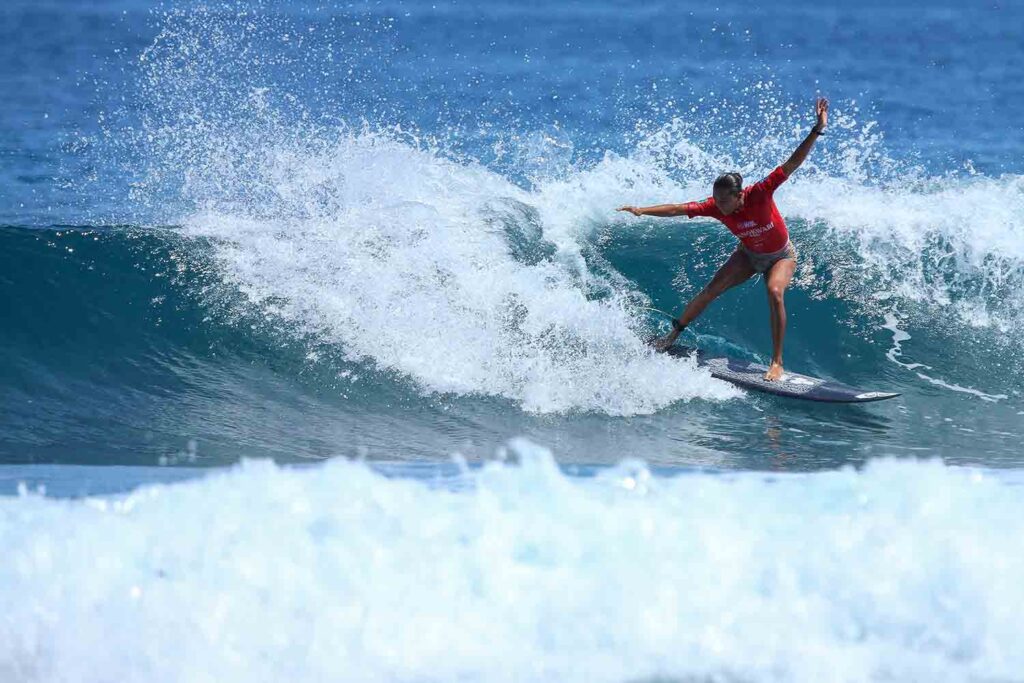
Manokwari serves as more than just a provincial capital; it acts as the center of surfing gravity in West Papua. The world validated its reputation when it hosted the World Surf League (WSL) Qualifying Series 1000 Manokwari Pro.
- Amban Beach: Facing the Pacific directly, this fine black quartz sand beach acts as the main competition arena. Amban consistently catches northern swells, creating two-meter A-frame peaks that break symmetrically to the left and right. This wave provides a perfect canvas for aerial maneuvers and carving.
- Abasi Beach: Located just 30 minutes from the city, this spot presents a powerful reef break that forms perfect barrel rolls, especially in the mornings and afternoons before offshore winds strengthen. This beach also houses the Abasi Surfing Club, the pioneer of the local surf community.
- Bakaro (Wind Gate): This area remains an expert-only zone. When northern storms peak, the waves here can exceed 3 meters, crashing fiercely over shallow continental reefs. Only surfers with nerves of steel and top-tier rip current reading skills should attempt this spot.
- Beginner Spots: If you are just learning, Petrus Kafiar Beach and Pepaya Cape offer much more moderate wave intensities alongside friendly local accommodations.
2. Classic and Extreme Explorations
While Manokwari offers accessibility, other northern regions promise isolated explorations that will test your adventurous spirit.
- Supiori Regency (Wafor Beach): Located in Sawarkar Village, surfers often compare this beach to Kuta Beach in Bali—but it features a pure tropical forest landscape without concrete resorts. The waves roll long, vary nicely, and remain highly consistent. Unsurprisingly, dozens of Australian surfers make this spot their secret annual pilgrimage.
- Biak Numfor (Saruri Cape): The northern tip of this island lacks any land protection. The ocean produces large-scale, wild waves that demand full speed and agility on the board.
- Sarmi (“City of Waves”): You need courage and a 4×4 vehicle to reach Sarmi from Jayapura, but the ocean rewards your effort. On its offshore islands, like Liki Island, waves average 2 to over 3 meters. In these waters, daily dolphins often accompany surfers, creating a magical yet highly challenging experience.
- Jayapura Cluster: Jayapura offers much more mellow waves. Base G and Holtekamp beaches present gentle beach breaks perfect for warm-ups. Tablanusu Beach stands out as the most unique spot; instead of sand, black pebble stones cover this beach, producing a rhythmic “crying stone” sound when backwash hits them. Outside the bay, the waves provide adequate power for longboarding.
3. Exclusive Maritime Corridors
Hearing the names Raja Ampat and Tambrauw Regency immediately brings to mind the most unparalleled living coral reefs on the planet. Surfing here requires you to harmonize with a fragile and highly protected ecosystem.
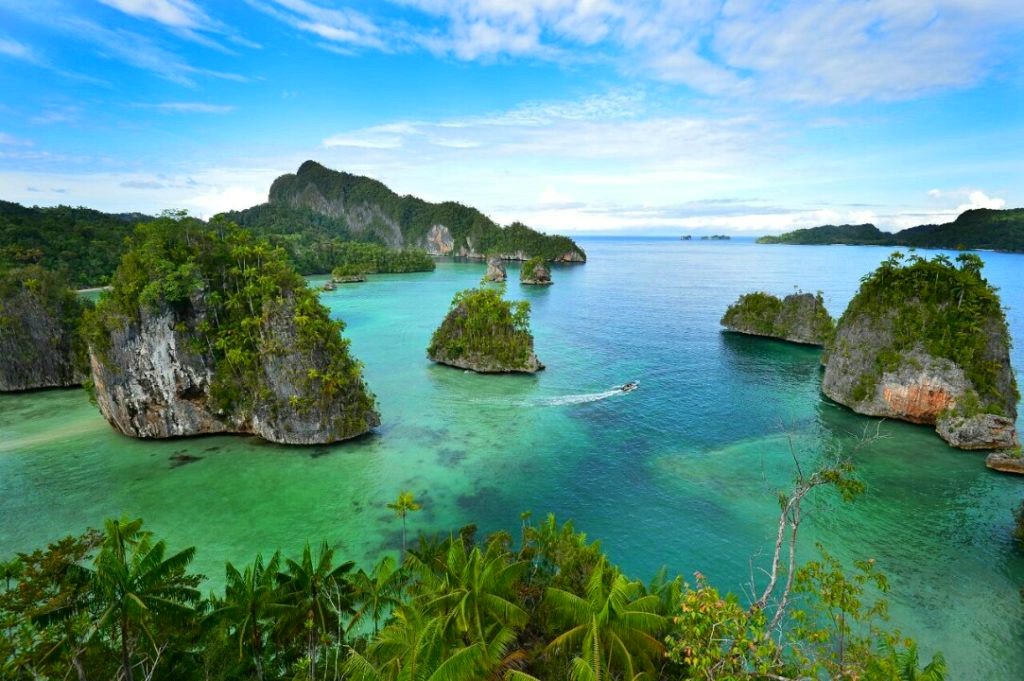
- Raja Ampat Islands (Waigeo, Kawe, Misool): This region forms a labyrinth of over 1,500 karst islands. Hidden bays sporadically catch northern wave energy. The wave spots here maintain their secret status, and liveaboard operators guard them strictly to ensure a 100% uncrowded experience. You will surf across ancient limestone formations and vibrant living coral reefs.
- Tambrauw (Werur & Sausapor): Offshore waves directly batter this coastal area. However, surfing activities in the Jeen Womom conservation area must strictly obey ecological regulations, because this beach serves as a global nesting site for leatherback turtles.
Surf Spot Matrix: Technical Guide for Surfing in West Papua
To plan your conquest, carefully review the matrix of physical conditions and potential risks for each main destination below:
| Spot Name (Region) | Wave Character & Height | Best Time | Seabed | Marine Fauna Risks |
| Amban | Strong A-frame, 2 meters, perfect for aerials | Nov–Apr (Morning/Afternoon) | Fine black quartz sand | Low risk, occasional jellyfish |
| Abasi | Fast barrels, perfect rolls | Nov–Feb | Sharp & shallow coral reef | Dense sea urchins, reef sharks |
| Bakaro | Extreme >3m, fierce point break (Pro Only) | Nov–Apr | Continental shelf reef | Rip currents, stonefish |
| Wafor | Stable, long, suitable for carving & longboards | Apr–Oct | Sand mixed with fringing reef | Minimal pelagic fauna risk |
| Saruri Cape | Wild, giant, straight from the open ocean | Nov–Apr | Solid reef, volcanic rocks | Pelagic sharks, extreme drag currents |
| Liki Island | Thick waves 2-3m+, adrenaline pumping | North Wind Season | Deep water drop-off reef | Deep sea sharks, fire coral, sea urchins |
| Base G | Mellow beach break, 0.5-1.5m | Dec–Mar | Fine white sand | Saltwater crocodiles (after heavy rain) |
| Tablanusu | Calm, slightly choppy in outer waters | Pacific storm season | Round black coral (pebbles) | Sprain risks due to unstable rocky footing |
| Raja Ampat | Secret spots, world-class quality from karst gaps | Nov–Mar | Ancient karst, living coral | Endemic carpet sharks (wobbegong), manta rays |
Surviving the Pacific: Tropical Protocols for Surfing in West Papua
Unlike winter waves in other hemispheres, the main challenge for surfers in West Papua does not come from cold weather, but rather from intense tropical heat and highly active coral ecosystems.
Ditch Your Thick Wetsuit
West Papua’s waters belong to the Western Pacific Warm Pool. Water temperatures range between 26°C and 31°C year-round. Wearing a full thick neoprene wetsuit (like 3/2mm) actually poses a deadly threat because it can trigger hyperthermia or heat exhaustion. You only need boardshorts and a UPF 50+ rash guard top to ward off equatorial sun radiation. If you ride over shallow reefs like Abasi, wear a thin wetsuit top (0.5–1mm) merely to prevent abrasions, and you must wear reef booties.
Managing Reef Cuts
Living coral reefs in West Papua feel incredibly sharp. A coral cut goes beyond a normal wound; it represents an intrusion of marine proteins and calcium carbonate into the skin that can trigger necrotic infections rapidly.
- Immediately rinse the wound with antiseptic soap under running freshwater (not seawater) to remove microscopic residue.
- If it stings (indicating venom/bacteria), use isopropyl alcohol or 50% hydrogen peroxide.
- Apply topical antibiotic ointment (like bacitracin) 3-4 times a day and do not cover it tightly while it remains wet.
Logistics & Navigation: Your Expedition Routes for Surfing in West Papua
Infrastructure in West Papua has not reached Bali’s commercial level yet. However, this isolation keeps the line-ups empty. The following transportation schemes will guide you to your dream waves:
Route 1: Manokwari (The Most Accessible Hub)
If you want a trip without extreme logistical complications, Manokwari provides the answer.
- Transportation: Fly directly to Rendani Airport (MKW). From there, smooth asphalt roads will take you to Amban, Abasi, or Bakaro in just 30–45 minutes. We highly recommend renting a car at the airport to carry your surfboard.
- Accommodation: Premium options like Aston Niu or Swiss-Belhotel exist. However, blending in with locals at beachfront homestays (like Amban Beach House or Yafet’s Homestay in Abasi) gives you the luxury of accessing waves right from your front door.
Route 2: Biak & Supiori (Pacific Strait Expedition)
Heading to Supiori means leaving city modernity for pristine coastlines.
- Transportation: Land at Frans Kaisiepo International Airport (BIK) in Biak. Public transportation cannot carry surfing gear, so you must rent a car from Biak. The overland journey across the island takes 1.5 to 2 hours to reach the northern coast (Wafor/Rani).
- Accommodation: Facilities in Supiori remain fundamental. The Tourism Office has built pioneer gazebos and wooden cottages at Wafor Beach, or you can stay at traditional homestays owned by Sawarkar Village residents.
Route 3: Jayapura & Sarmi (Extreme Explorer Path)
This route calls to hardcore explorer surfers.
- Transportation: Land at Sentani Airport (DJJ). Heading to Base G or Holtekamp only requires a 1.5-hour taxi ride. However, reaching the “City of Waves” Sarmi requires you to rent a 4×4 (Four-Wheel Drive) fleet and endure an 8–9 hour overland journey across rivers and extreme coastlines. Upon arriving at Sarmi Port, rent a motorized wooden boat from local fishermen to cross over to Liki Island.
- Accommodation: Sarmi and its surrounding islands have no hotels. You will stay at the Sobey Tribe’s traditional hall or pitch your own camping tent (bringing independent supplies is mandatory).
Route 4: Raja Ampat & Tambrauw (Luxury Sea Route)
This route caters to those who combine surfing with ecotourism luxury.
- Transportation: Land at DEO Sorong Airport (SOQ). From here, land travel becomes irrelevant. You must rent a speedboat (3-4 hours) to Tambrauw, or use a Phinisi boat / Liveaboard (like MV Mermaid or Kudanil Explorer) specifically designed as a surf charter to the remote corners of Raja Ampat.
- Accommodation: You can sleep in air-conditioned ironwood villas at Sansapore Pacific Park Resort (Tambrauw) or in luxury floating cabins on a liveaboard ship for 7-14 nights in the open sea.
See also: Guide to the Costs for Traveling in Raja Ampat
The Soul of West Papua: Customary Marine Conservation and Local Resurgence
World-class wave quality in West Papua does not happen by mere chance. A sacred social order protects it fiercely.
Have you ever wondered why the coral reefs here produce such neat barrels? Oceanographically, good waves require a stable and precisely sloping seabed profile (bathymetry). If dynamite or pollution destroys the coral, the waves will close out chaotically.
Here lies the role of Sasi Laut (or Abonfan Matilon in Sarmi culture). Sasi represents a communal customary law that prohibits extracting marine life and damaging the ecosystem during specific periods. This strictly obeyed traditional law structurally protects coral reefs from destructive fishing practices. The result: corals stand firm, coastal bathymetry remains perfect, and the ocean rewards surfers with the tubing waves that have become a global obsession.
Furthermore, surfing empowers Indigenous Papuans. In Manokwari, coastal youth no longer just watch from the sidelines. They established the Abasi Surfing Club and Bakaro Surfing Club. They have transformed into certified instructors, local wave guides, and shapers who skillfully repair surfboards.
Institutional support from WSL and the Asian Surf Cooperative (ASC) legitimizes this sport as the backbone of the creative economy. When you experience surfing in West Papua, you do not just ride waves; you contribute directly to the circular economy of indigenous communities who constantly fight to protect their Pacific coastline.
See also: The Epicenter of Marine Life: Discovering Raja Ampat
A New Horizon Awaits
West Papua does not serve as a mass tourism destination, and hopefully, it will stay that way. Limited infrastructure, the necessity to rent liveaboard fleets or 4WD cars, and the harsh tropical nature act as natural filters that protect this region from the disaster of overtourism.
By combining hydro-oceanographic knowledge, mature logistical preparation, and absolute respect for customary laws, the coast of West Papua stands ready to welcome you. For surf purists who yearn for the true essence of this sport—namely the human, the board, and the absolute energy of the ocean—pack your bags for the most challenging wave corridor on the western horizon of the Pacific. The virgin waves of West Papua wait for you to conquer them.