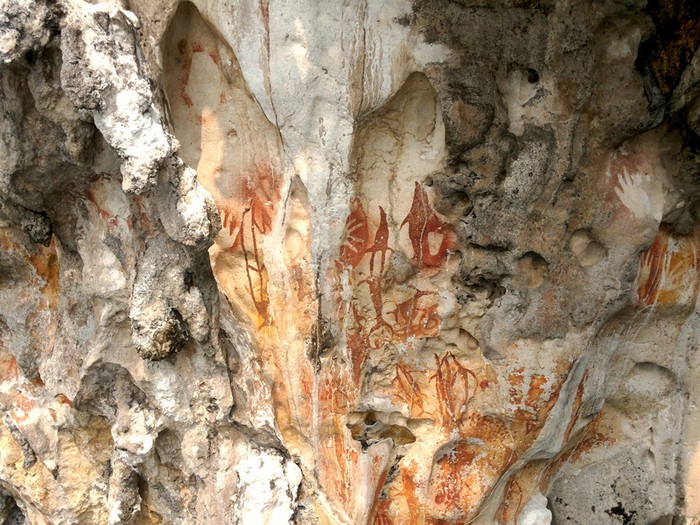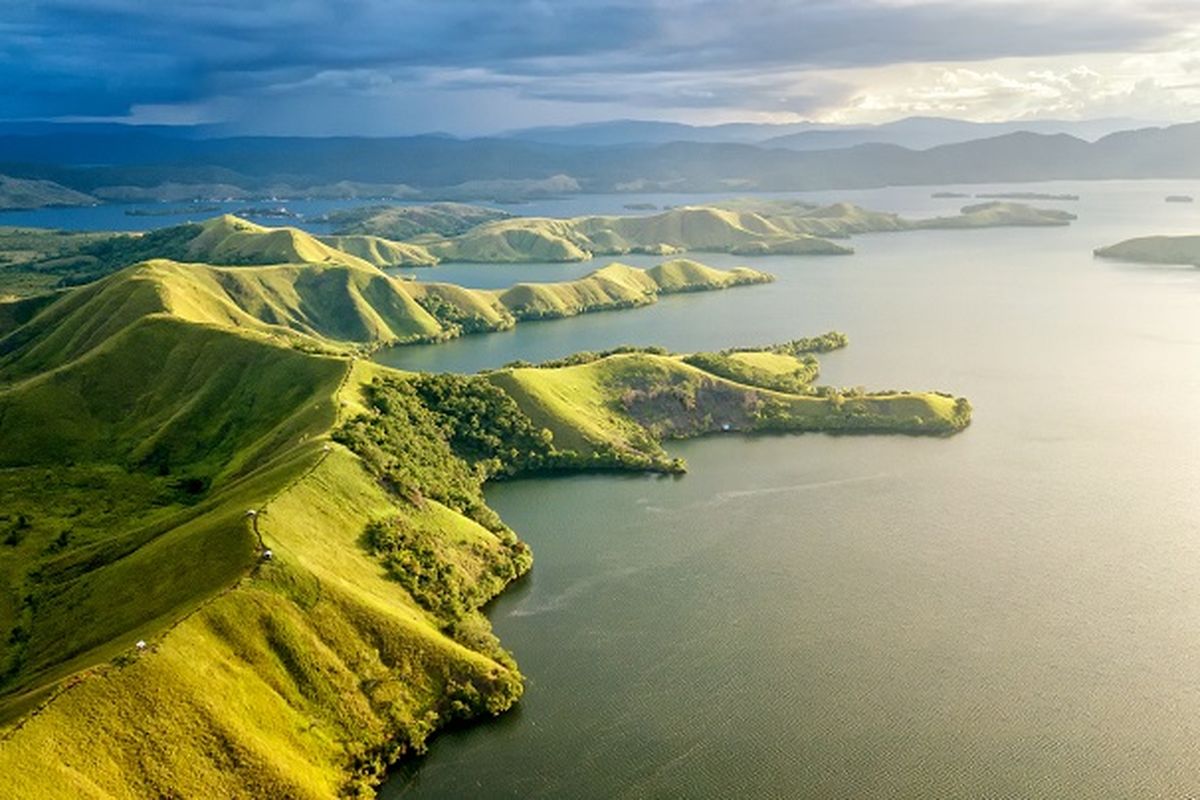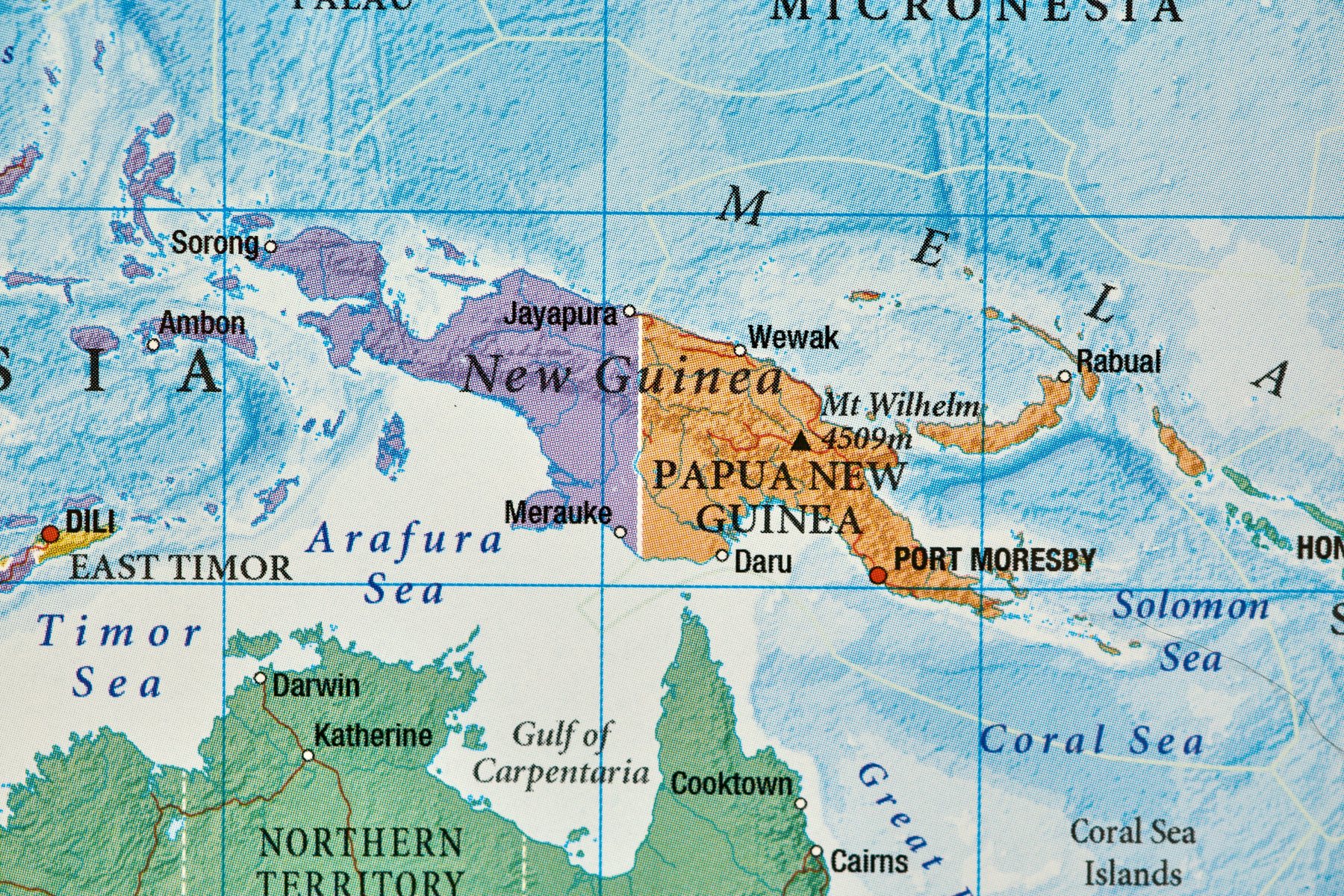
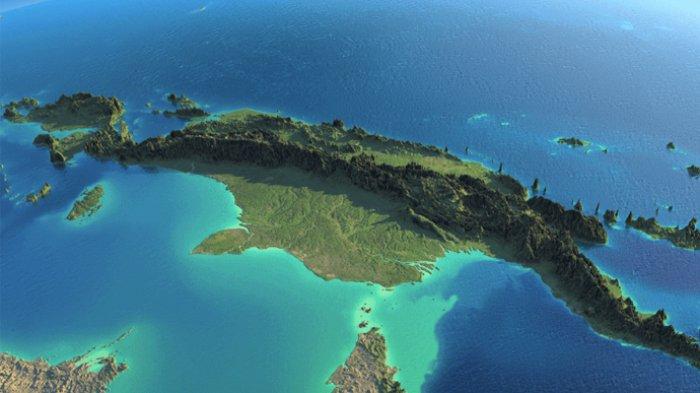
Mainstream global narratives often overlook New Guinea, a vast landmass that guards unparalleled secrets of evolution, anthropology, and human history. Researchers widely recognize this stunning territory as the Second Largest Island in the world after Greenland. Far from just an isolated patch of land in the Pacific Ocean, New Guinea acts as a vibrant living laboratory. It seamlessly blends geological complexity, breathtaking biological diversity, and thousands of years of independent human civilization.
For any researcher or observer with a keen interest in geography and human advancement, New Guinea presents an intellectual puzzle that challenges conventional wisdom. We must look far beneath the surface facts to understand why this magnificent landmass holds such a critical position in our planetary story.
See also: This is Difference Between West Papua and Papua New Guinea
1. Geography That Shaped Destiny: The Backbone of Sahul
To fully comprehend this massive landmass, we must look beyond its modern coastlines. Geologists prove that New Guinea forms an integral part of the Sahul Shelf, an ancient continent that connected this land to Australia during glacial periods when sea levels dropped drastically. This deep historical connection explains why the local fauna and flora share close genetic lineages with Australian species. However, intense isolation following the rapid uplift of massive mountain ranges forced these species to evolve down highly unique paths.
- The Central Range: The Beating Heart of the Giant LandmassA towering mountain range stretching over 1,600 kilometers forms the rugged spine of the island. Puncak Jaya (Carstensz Pyramid) crowns this chain as the highest peak in Oceania. This incredible elevation generates multiple distinct climate zones within remarkably short geographic distances. A traveler can journey from humid, sweltering lowland rainforests to alpine meadows and eternal glacial snows in just a matter of days. This steep vertical variation explains why the Second Largest Island concentrates its biodiversity so densely; each elevation band hosts an isolated ecological community.
- The Mighty River SystemsMassive river systems like the Mamberamo and Sepik drain the island’s interior. These rivers do more than carry water; they have served as the vital lifeblood for indigenous civilizations for millennia. They form intricate networks of wetlands, marshes, and deltas that today shelter the most pristine freshwater ecosystems in the Asia-Pacific region.
2. The Evolutionary Paradox: Inside Earth’s Ultimate Biological Hub
While the Amazon claims the title for the most expansive rainforest, the Second Largest Island wins the prize for the sheer density of its endemic species. New Guinea occupies less than 1% of the Earth’s total land area, yet it preserves roughly 7% of global biodiversity.
- A Marsupial KingdomBecause deep ocean trenches separated New Guinea from Asia via the famous Wallace Line, large placental mammals never dominated this landscape. Instead, marsupials claimed the throne:
- Tree Kangaroos: These extraordinary creatures look like a cross between a bear and a kangaroo. They represent a flawless evolutionary adaptation to canopy life in the dense rainforest.
- Echidnas (Monotremata): These egg-laying mammals represent a living link to prehistoric times. The discovery of Attenborough’s long-beaked echidna (Zaglossus attenboroughi) in the high mountains confirms that these ancient bloodlines have survived almost unchanged for millions of years.
- Birds of Paradise (Paradisaeidae)No discussion of the Second Largest Island can be complete without celebrating the Birds of Paradise. Boasting more than 38 distinct species, these birds showcase the power of intense sexual selection within geographic isolation. Their intricate plumage, complex courtship dances, and dazzling colors demonstrate how absolute isolation drives species to innovate visually to secure survival.
3. Kuk Swamp: Unearthing the Forgotten Roots of Global Agriculture
One of the most momentous discoveries in modern archaeological history occurred in the highland valleys of the Second Largest Island, specifically at Kuk Swamp. For decades, academic consensus maintained that agriculture originated exclusively in the “Fertile Crescent” of the Middle East. However, the evidence uncovered at Kuk Swamp completely dismantled that single narrative.
- An Independent Agricultural RevolutionArchaeological research led by visionaries like Jack Golson proves that indigenous New Guineans developed advanced drainage networks and soil management systems to cultivate taro and bananas over 9,000 years ago. This places New Guinea among a select handful of places on Earth where humans invented agriculture entirely independently, free from any external influence. The complex ditch systems show a profound grasp of hydrology that completely rewrites what historians previously assumed about ancient hunter-gatherer populations.
4. A Pacific Babel: The World’s Great Linguistic Treasury
If you want to study the absolute pinnacle of human linguistic complexity, you must observe this island. The territory contains over 800 distinct languages. Papua New Guinea, which occupies the eastern half of the landmass, holds the official title as the most linguistically diverse nation on Earth.
Extreme topography drove this phenomenon. Deep valleys and razor-sharp mountain ridges created absolute physical isolation. Because rugged terrain cut off neighboring villages from one another, distinct languages evolved independently at an astonishing pace. While this offers an invaluable treasure trove for linguists, it also presents a cultural tragedy. Many of these languages lack writing systems, and modern forces like Tok Pisin or Bahasa Indonesia threaten to erase them forever.
5. Anthropology: Meritocracy and Ancient Cosmologies
New Guinea’s human societies display dazzling diversity, ranging from maritime coastal communities to highland tribes that practice a complex “Big Man” social structure.
- The “Big Man” SystemUnlike many global civilizations that rely on hereditary monarchies or hereditary chiefs, New Guinea societies often utilize the Big Man system. In this framework, individuals do not inherit power. Instead, leaders earn their status through exceptional oratory skills, strategic wealth accumulation (such as pigs or shell money), and the generous distribution of that wealth back to the community. This unique social meritocracy has fascinated global anthropologists for over a century.
- Rituals and CosmologyElaborate welcoming rituals, sacred initiation ceremonies, and deep-seated belief systems link these societies directly to nature spirits. For the people of New Guinea, humans do not conquer the natural world; they form an equal thread in a grand web of life. They view the rainforest not as a mere commodity, but as a living ancestor.
6. Extraordinary Facts About the World’s Premium Landmass
To finalize our understanding, we look at several astonishing, frequently overlooked facts about this unique environment:
- The Singers of the Forest: The New Guinea Singing Dog possesses a unique vocal structure that mimics the melodic songs of whales or complex musical harmonics. They have lived isolated in extreme alpine heights for millennia.
- Earth’s Largest Butterfly: The island shelters the Queen Alexandra’s Birdwing, the largest butterfly on Earth. Its massive wingspan reaches up to 28 centimeters, causing onlookers to mistake it for a small bird from a distance.
- A Realm Without Large Apex Predators: Until humans introduced domestic dogs and other invasive species, the island lacked large mammalian predators entirely. This absence gave the endemic fauna the evolutionary freedom to develop highly specialized forms.
7. Future Horizons: A Delicate Balance on the Edge
Today, New Guinea stands at a critical historical crossroads. Its lush tropical rainforests represent one of the planet’s three largest carbon sinks, standing shoulder-to-shoulder with the Amazon and the Congo basins. However, aggressive deforestation for logging, mining, and commercial palm oil plantations threatens this fragile paradise daily.
For the international community, protecting New Guinea extends far beyond preserving an exotic destination; it remains vital for global climate mitigation. The destruction of New Guinea’s forests would release immense amounts of carbon, severely accelerating the global climate crisis. For scientists, this loss means the permanent extinction of thousands of species before they can even name them, as experts estimate that science has yet to identify over half of the island’s living organisms.
See also: West Papua: The Ultimate Guide to Culture, Capital, and Nature