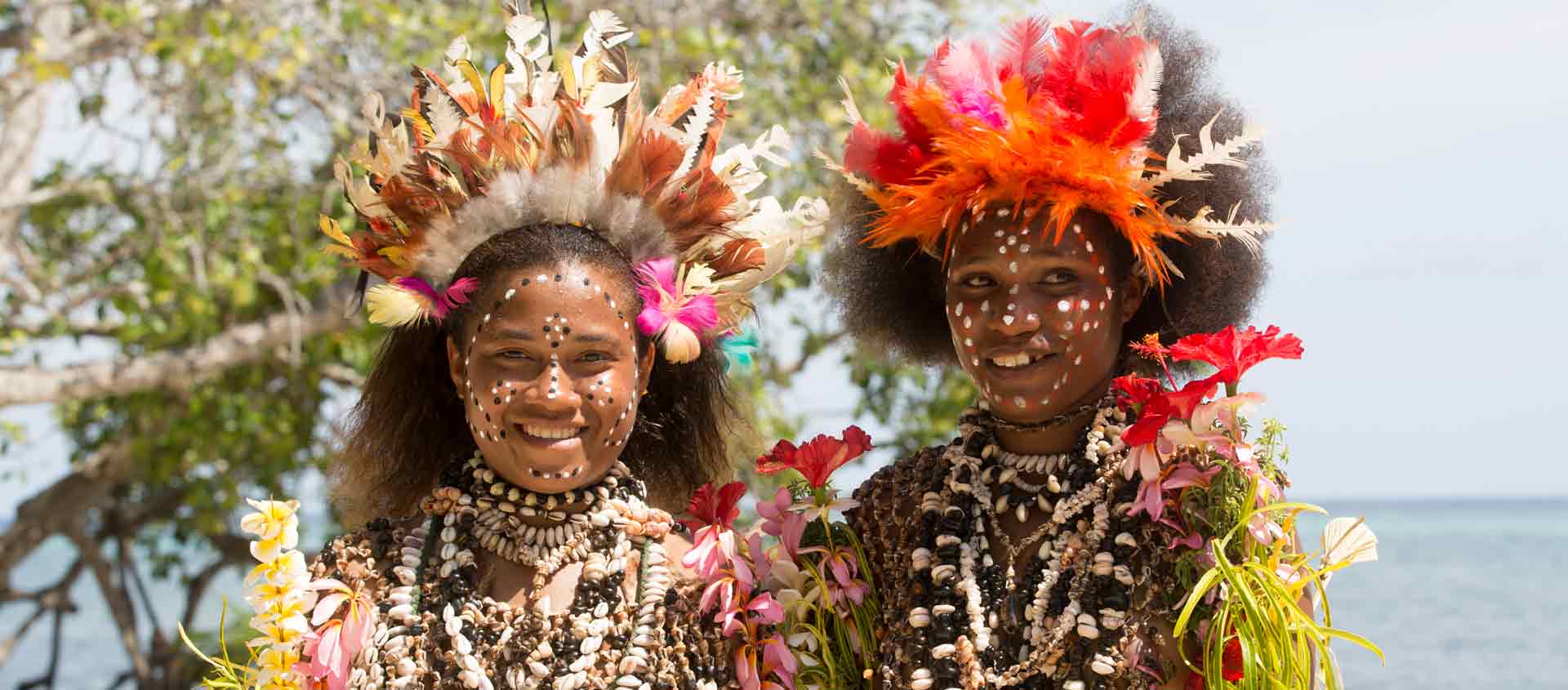
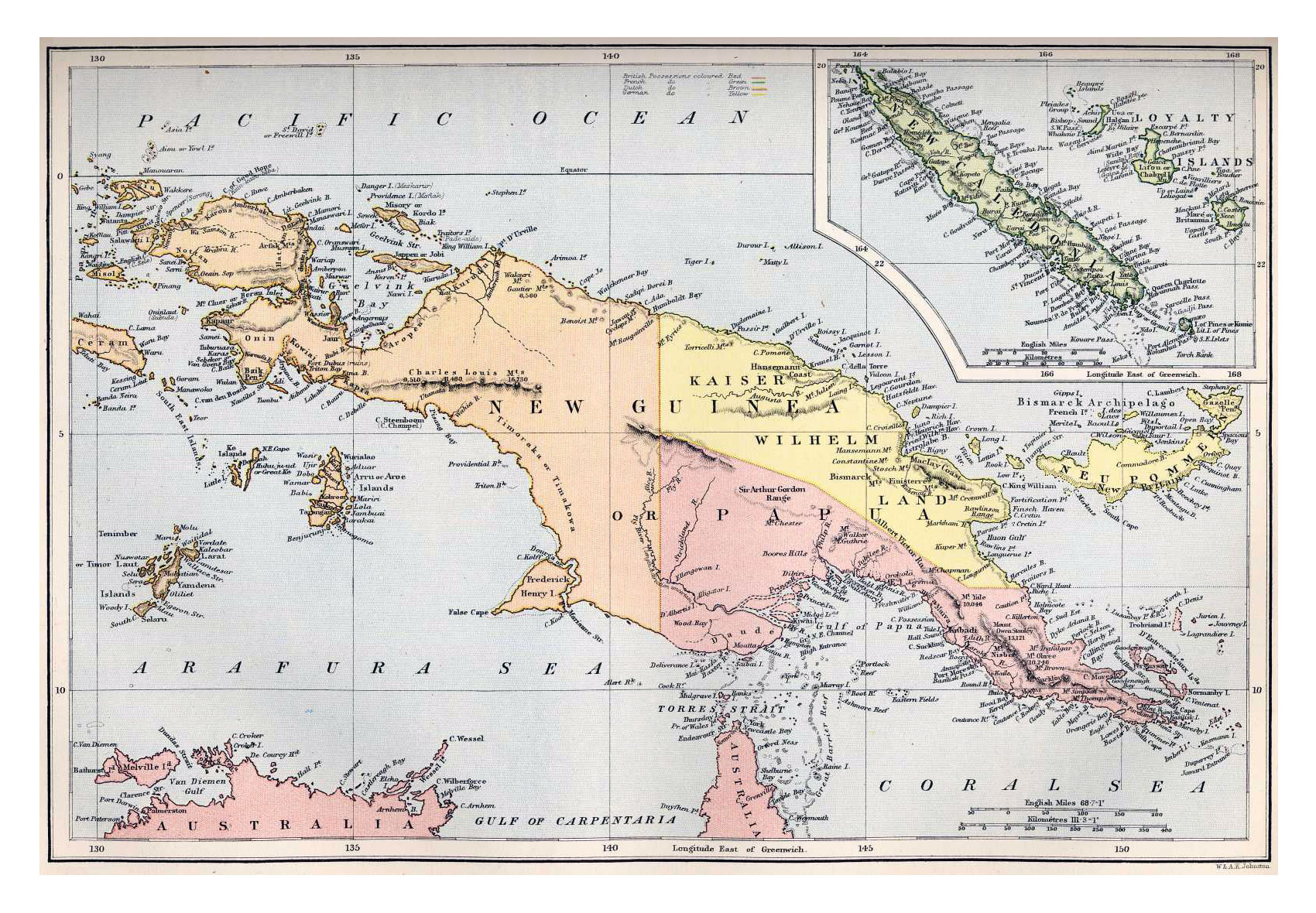
The understanding that Papua belongs to the Republic of Indonesia stems from the ancient records of the archipelago. Scholars often link the history of West Papua to the Majapahit Kingdom, which served as a primary unifier of the region. Mpu Prapanca revealed this connection in his book Nagarakretagama, where he described West Papua as the “eighth Majapahit.” Later, the Dutch arrived in 1528 and established Fort du Bus in Triton Bay. During the independence era, the Papuan people actively joined efforts to expel Dutch colonialism and reclaim their sovereignty.
Early Political Systems and Royal Lineages
According to Johszua Robert Mansoben’s research, “Traditional Political System in Irian Jaya,” complex governance existed long before the Dutch Colonial Government arrived. On the west coast, three traditional kingdoms—Rumbati, Fatagar, and Atiati—governed the local populations. The Uswanas clan founded the Fatagar Kingdom, an Islamic sultanate located east of the Fakfak District. This kingdom held customary territories in the Fakfak and Pariwari areas, proving that organized political structures are central to the history of West Papua.
In various publications, historians identify the Onin Peninsula as an area under Majapahit’s influence, then recorded as Wwanin or Wanin. A 1937 expedition by Leo Frobenius discovered settlement evidence at Ugar, confirming the existence of local rulers. Furthermore, residents between Patipi Bay and Rumbati still share oral histories about a Javanese expedition that arrived in the 15th century.
Evidence from the Nagarakretagama
Prof. Mohamad Yamin, a prominent Indonesian historian and legal expert, wrote extensively about how West Papua became part of the Majapahit Empire in the 14th century. He strengthened Mansoben’s research by citing Mpu Prapanca’s 1365 writings. The Nagarakretagama poem specifically mentions regions like Gurun, Lombok Mirah, Bantayan, and Luwu.
Crucially, the book lists names in West Papua that the Nusa Majapahit State considered sovereign territory. These include Wwanin (Onin, near Fakfak), Sran (Kowiai, near Kaimana), and Wandan (islands within West Papua). These geographical markers provide a written foundation for the history of West Papua as a connected part of the wider archipelago.
Economic Value: Nutmeg and Natural Wealth
The Onin Peninsula in Fakfak resembles the ‘lower beak’ of a bird’s head. The Nagarakretagama describes Onin as a major producer of nutmeg, masohi bark, and preserved birds of paradise. Javanese traders derived significant economic value from nutmeg seeds and mace.
Today, nutmeg remains an essential raw material for oils, while mace flavors various dishes. Two types of nutmeg grow in Fakfak: the Banda nutmeg and the domestic endemic nutmeg called henggi. Residents harvest these seeds twice a year. Additionally, masohi bark serves as a fabric dye and a key ingredient for traditional herbal medicine.
Prehistoric Cultural Spread and External Relations
While Papua lacks ancient inscriptions, folklore preserves its early memories. Some sources describe ancient relations between Papua and kingdoms in Nusa Tenggara. In the 7th century, Srivijaya traders arrived in Papua and referred to the area as “Janggi.” During this era, Srivijaya maintained a powerful fleet that traded spices, perfumes, pearls, and bird of paradise feathers across Maluku and West Papua.
Archaeological finds also support the history of West Papua as a hub of cultural exchange. Researchers found stone axes, metal tools, and cave paintings in Bintuni Bay that mirror those found in South Sulawesi’s Leang Pattae. These red-painted fish bones and palm prints prove that prehistoric culture spread from Southeast Asia through to Papua. Similarly, pottery and stoneware found in Papua match items from other parts of Indonesia, suggesting they arrived through ancient trade routes rather than local manufacturing.
Shared Cultural Symbols and Musical Heritage
The tifa, a traditional musical instrument, serves as another link between Papua and Maluku. This drum symbolizes brotherhood, dance, and entertainment. The presence of identical tools across these regions shows that a deep relationship has existed since time immemorial. These cultural parallels reinforce the idea that Papua, Maluku, Sulawesi, and Bali share a common historical trajectory.
The Era of European Exploration
European nations began arriving in the 16th century. A Portuguese explorer, Don Jorge de Meneses, first used the name “Papua” in 1527. He sailed from the Malay Peninsula and named the island “Papuwah,” an ancient Malay term meaning “curly-haired person.”
Almost simultaneously, Spanish fleet leader Alvaro de Saavedra called the region “Isla del Oro” or Golden Island. While searching for a route to Mexico, he stopped at the North Coast and marveled at its natural resources. These early European interactions set the stage for the colonial history of West Papua, as the Dutch eventually expelled their Portuguese, Spanish, French, and German rivals.
Dutch Colonization and Resistance
The Dutch initially ignored West Papua because they saw little profit in it. However, the discovery of gold and the presence of British and German forces in East Papua changed their minds. In 1898, the Dutch Parliament allocated 115,000 guilders to establish formal rule. They divided the territory into two Afdeelings (Northern and West/South) under the Maluku Residency.
The VOC (Dutch East India Company) soon began implementing a trade monopoly. Their interference in internal tribal affairs sparked widespread hatred. In 1870, Raja Tidore Nuku led a successful resistance in Raja Ampat. By playing the Dutch against the British, he expelled colonial forces from Tidore and parts of West Papua with local support.
The Path to Unification
In 1934, King Rumagesang Al Alam Umar Sekar of Kokas refused to hand over mining money to the Dutch, choosing to distribute it to his people instead. The Dutch imprisoned him in 1945, but he became one of the first leaders to demand Papua’s unification with the newly independent Indonesia.
Other movements soon followed. Leaders like Sugoro and Colonel Abdul Kadir Djojoatmojo organized rebellions, while indigenous heroes like Marthen Indey, Silas Papare, and Frans Kaisiepo developed strategies to end colonial rule. When the Dutch exiled Indey to Serui, he met Dr. Sam Ratulangi; together, they coordinated the community’s resistance.
Conclusion: Reclaiming Sovereignty
The unification of West Papua into the Republic of Indonesia essentially retraces the ancient influence of the Majapahit Kingdom. This modern state realizes the dream of a united archipelago. By acknowledging the trade relations of the 7th century and the shared struggles of the colonial era, the nation maintains the history of West Papua within the framework of “Bhinneka Tunggal Ika”—Unity in Diversity.