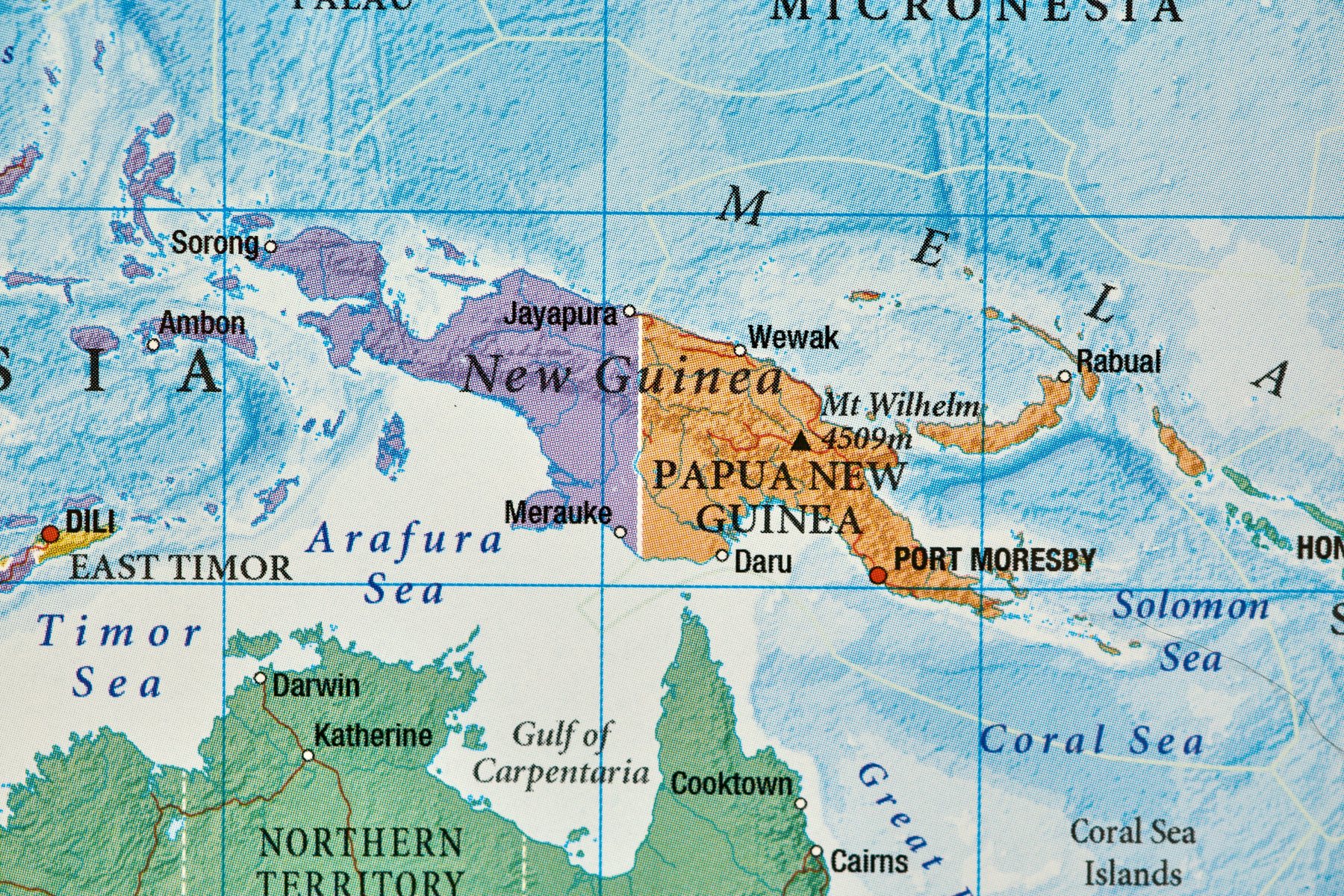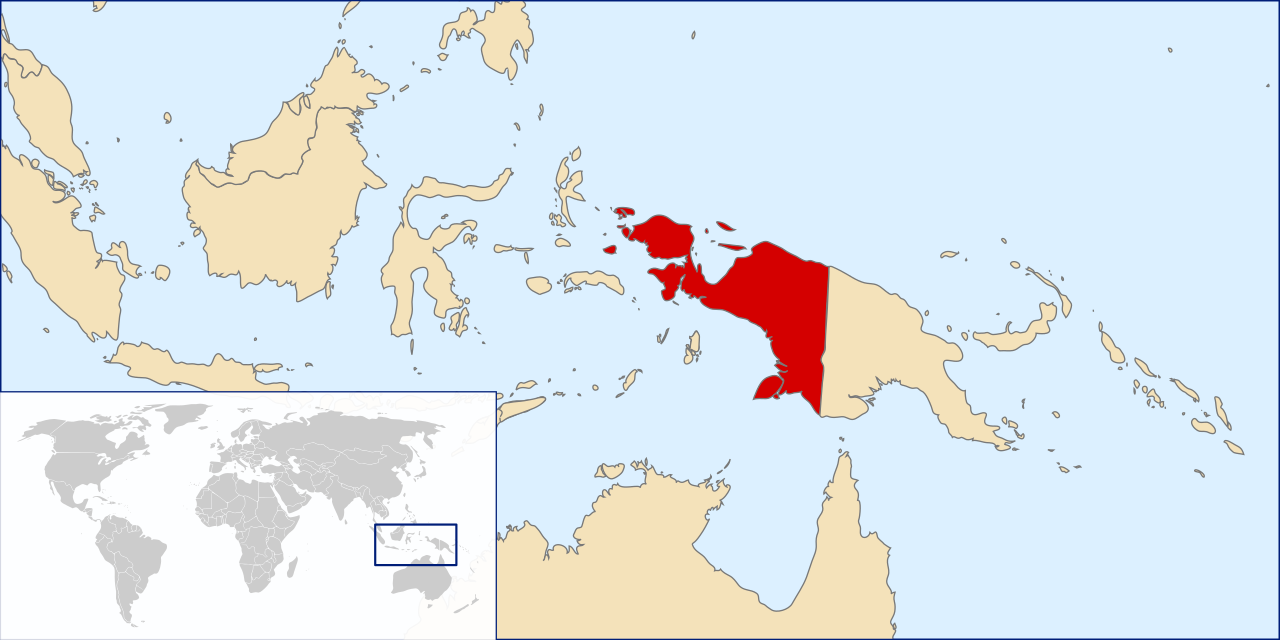
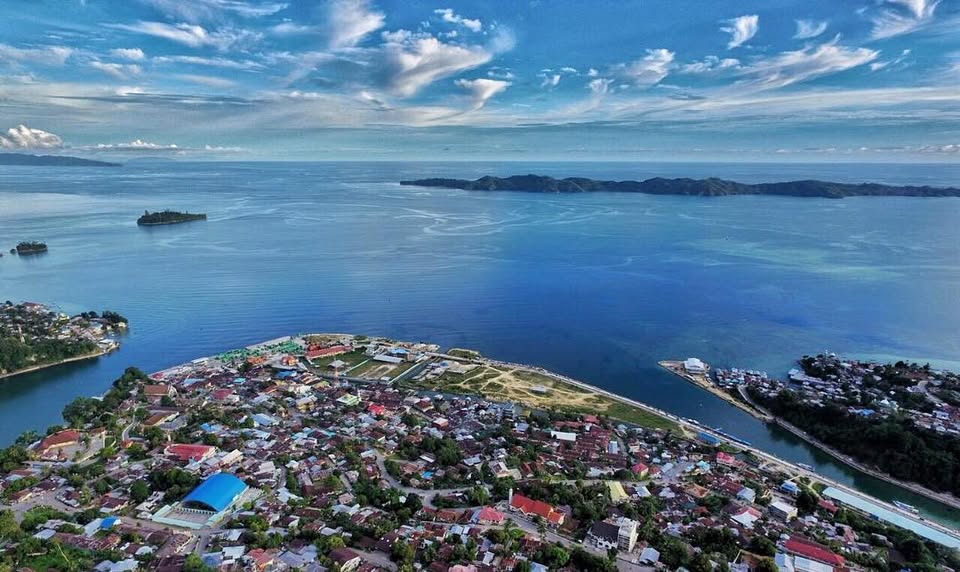
Administratively, Fakfak Regency belongs to the province of West Papua, Indonesia. This comprehensive Profile of Fakfak Regency covers a vast area of 14,320 square kilometers, situated between the coordinates 131°53’03″E–133°29’19″E and 2°30’58″–3°57’51″S. Throughout its development, the government has expanded the administrative structure to include 17 districts, 7 sub-districts, and 142 villages.
The regency shares its borders with several key areas:
- North: Teluk Bintuni Regency
- South: Arafura Sea and Kaimana Regency
- Northwest: Seram and Berau Bay
- East: Kaimana Regency
Historical Evolution of the District
The government officially established Fakfak Regency in 1969 alongside the formation of West Irian Province. At that time, it also formed eight other districts, including Jayapura and Manokwari. Initially, the Profile of Fakfak Regency reflected a massive territory of over 50,000 square kilometers, encompassing Kaimana and Mimika.
Significant changes occurred in 1999 and 2002 when the regency split to create new administrative regions like Timika and Kaimana. These expansions aimed to streamline local governance. Consequently, Fakfak transformed into the “main regency” with its current streamlined landmass, maintaining its central role in the regional politics of West Papua.
Cultural Identity and Local Residents
Historical records regarding the earliest indigenous villages remain scarce, but local narratives emphasize the peaceful entry of Islam, Catholicism, and Protestantism. Residents refer to these as “family religions.” This history birthed the famous motto: “One Furnace, Three Stones, One Brother’s Heart,” which perfectly illustrates the harmony within the Profile of Fakfak Regency.
The name “Fakfak” itself triggers various interpretations. Some elders believe it originated from “Pakpak.” Today, the population consists of two main groups: indigenous “country children” and migrants. Indigenous tribes include the Mbaham, Ma’tta, and Onin, while migrants arrive from Java, Sulawesi, and Sumatra for economic reasons. Furthermore, a vibrant “Chinatown” area exists in the Old City, where Chinese and Arab descendants have traded for centuries.
Linguistic Diversity and Tribal Heritage
Linguistic researchers identify approximately ten distinct languages within the region. The Karas area features both coastal and inland dialects, known locally as Karkaraf. Other significant tongues include the Patimunim (Mbaham) language and the Matta (Iha) language, which villagers speak across dozens of settlements from Werba to Sekru.
Indigenous people maintain a dominant role in managing customary land rights. Even as modern government systems evolve, traditional leaders continue to oversee social life. This cultural continuity remains a defining characteristic of the Profile of Fakfak Regency, as migrant tribes like the Bugis, Makassar, and Javanese integrate into the local social fabric.
Natural Wealth and Mining Prospects
Geological surveys and seismic results reveal massive potential for natural gas and mineral reserves. Although many activities remain in the exploration stage, experts identify potential gas fields in East Fakfak, Karas, and Bomberay. Additionally, ongoing surveys target gold, iron ore, and coal deposits. These resources position the regency as a future industrial hub for West Papua.
The “City of Nutmeg” and Agricultural Success
Nutmeg, coconut, and coffee serve as the primary plantation commodities. Nutmeg stands out as the most prominent export, earning the area the nickname “The City of Nutmeg.” Most local families own nutmeg gardens, producing over 4,000 tons of seeds, mace, and nutmeg meat annually for international markets.
The government also prioritizes the “Agropolitan” program in the Bomberay District. This initiative focuses on intensifying paddy fields and animal husbandry to ensure food security. Beyond staple crops like cassava and sweet potatoes, the fertile soil produces abundant fruits, including Durian, Langsat, and Rambutan, which local farmers trade throughout the province.
Marine Resources, Forestry, and Tourism
The fishery sector offers the most prominent natural resources, particularly within the pristine mangrove forests and coral reefs. While officials have not yet optimized land-based fisheries, marine capture fisheries thrive between the islands. Similarly, the forestry sector produces timber and non-timber products like rattan, resin, and exotic orchids, though much of this potential remains untapped.
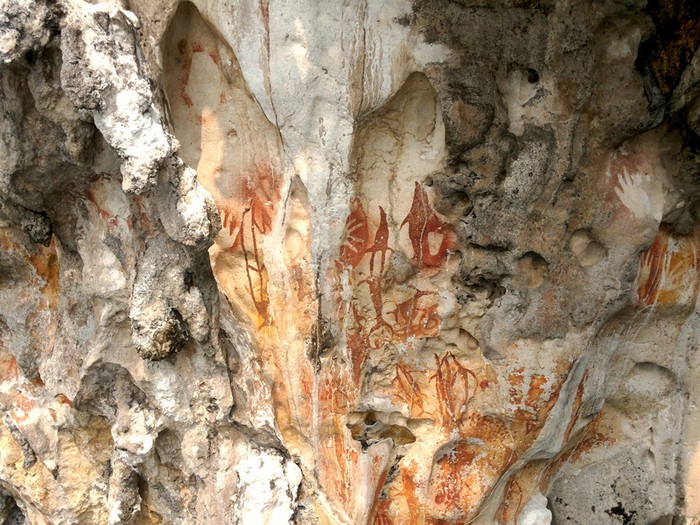
Tourism offers a hopeful future for the Profile of Fakfak Regency. The region boasts breathtaking underwater life, prehistoric rock paintings, and World War II relics. While foreign tourist numbers from the Netherlands and France remain modest, many visitors arrive to explore their ancestral colonial history. Improving infrastructure will likely unlock these natural and historical treasures for a global audience.