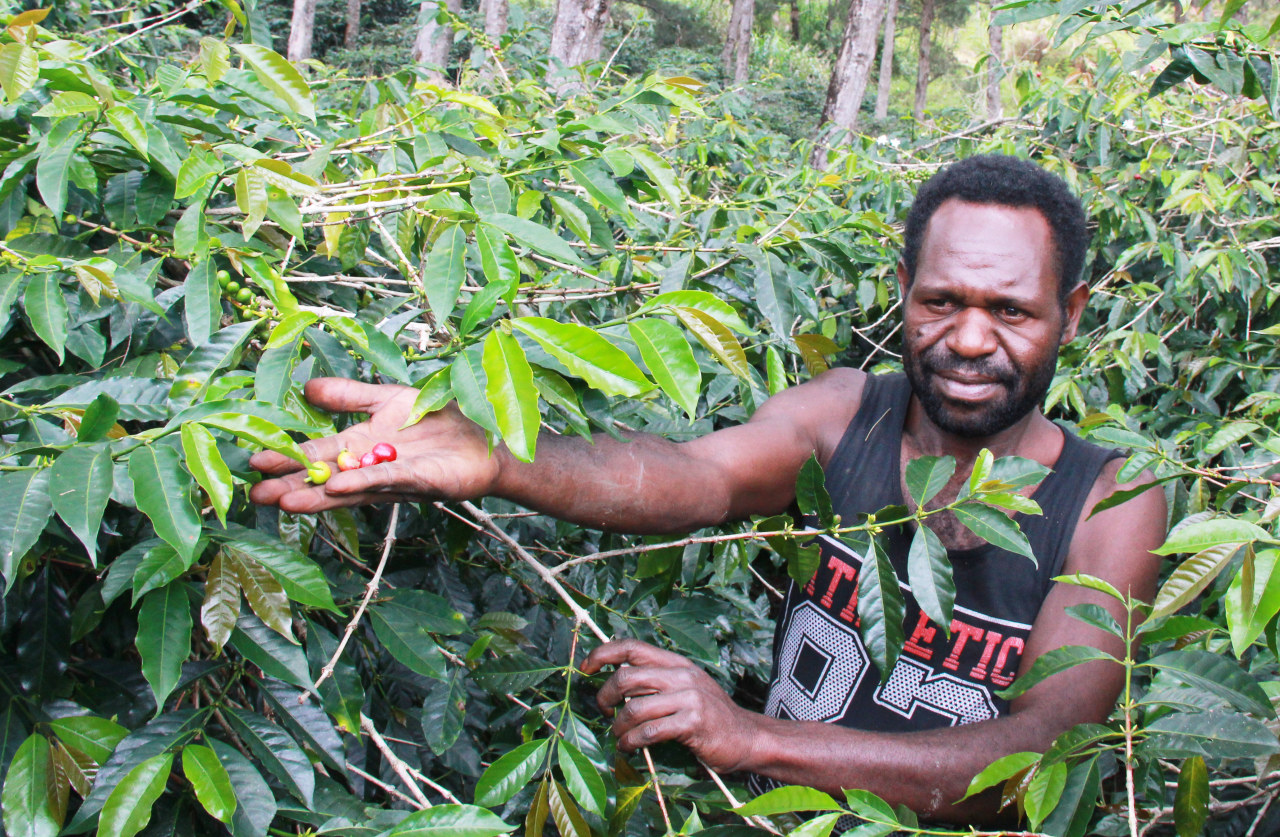
High altitudes between 1,400 and 2,700 meters above sea level in the central mountains of Indonesia hold the secret to Papua’s unique beans. Global connoisseurs actively hunt for West Papua Coffee because the extreme highland climate creates an unparalleled flavor profiling. Historically, Dutch missionaries and the colonial government first introduced these agricultural seeds to the local communities.
“The Department of Agriculture of Netherlands New Guinea first introduced coffee to the Baliem Valley, Wamena, in 1960,” states Hari Suroto, a prominent researcher from the Papua Archeological Center.
Van Der Sluis, the head of the agricultural department at that time, deliberately selected premium, high-quality Arabica seedlings directly from neighboring Papua New Guinea. Local farmers recognize this specific variety as Jamaica Blue Mountain, which traces its lineage back to the Caribbean island of Jamaica. In the fertile Baliem Valley, agricultural pioneers first planted these seeds across the Kurima and Bokondini sub-districts.
Remote, isolated terrains house the finest West Papua Coffee plantations today. Consequently, farmers face extraordinarily high transportation costs during the annual harvest season. They must even rent helicopters for transport, and one premium variety, Amungme coffee, requires a steep helicopter rental fee of US$3,000 per hour, which drives up its market price. The following sections highlight the most sought-after regional beans that captivate both domestic and international markets.
See also: Types of West Papua Traditional Houses
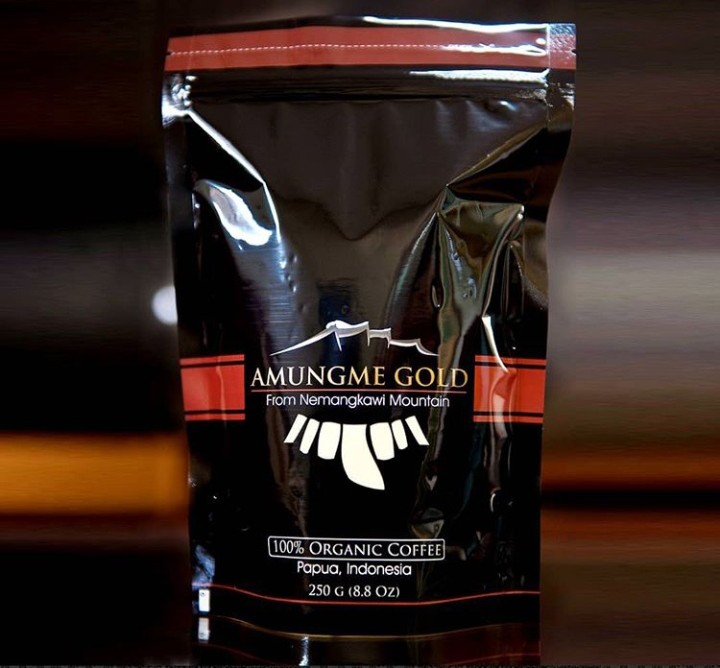
The Famous Amungme Coffee
The Amungme people produce this legendary crop in the Timika Regency, situated within the Central Papua Province. Members of the Amungme tribe cultivate these plants near the massive Tembagapura mine. Originally, farmers brought Arabica Typica seeds from Dogiyai and successfully cultivated them in the rugged local mountains.
Growers plant Amungme beans at 2,500 meters above sea level across several remote villages, including Oroanop, Tsinga, Hoya, and Banti. Today, intercropping systems cover over 19,000 hectares of land near the Tembagapura mining area. The region holds 13,603 active trees, yielding an average annual production of 606 kilograms or 0.6 tons of parchment coffee beans.
Farmers fertilize the Amungme trees naturally using nitrogen-fixing plants, organic compost, and rich forest humus. The indigenous Amungme farmers manually execute every production phase, spanning from the initial harvesting to the final sun-drying process. After completing these steps, modern processing facilities in Timika handle the final roasting and grinding stages.
The gold-rich soil, crisp alpine climate, and high elevation of Tembagapura give Amungme coffee its distinct, alluring aroma. This specific West Papua Coffee features a full-body structure, mild acidity, a strong sweet aroma, and a smooth mocha aftertaste.
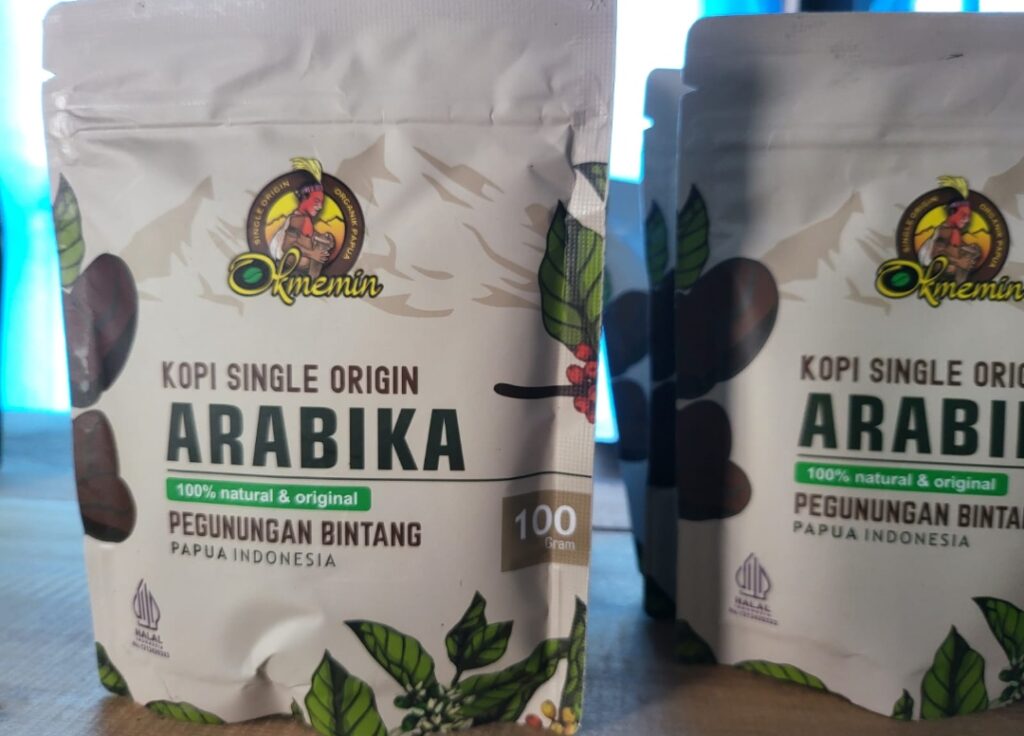
Arabica Coffee from the Bintang Mountains
The Bintang Mountains Regency, located within the Highland Papua Province, offers a truly exceptional specialty Arabica. While most Indonesian farmers grow Arabica at 1,500 meters, these highland farmers cultivate crops between 1,800 and 2,000 meters above sea level.
In this elevated zone, chilly air maintains a crisp temperature between 18 and 23 degrees Celsius. The cold temperature, dense mountain fog, and limited sunlight force the coffee cherries to ripen much slower on the trees. This prolonged ripening process accumulates rich nutrients within the beans, giving them a perfect quality and a sharper, more vibrant acidity.
Arabica cultivation began here in the 1970s when Dutch missionaries transported Arabica Typica seeds from Dogiyai via small propeller aircraft. Today, communities plant this variety in Lopkop, Sabin (Okbab District), Andaka (Okbibab District), and Nangultil (Kiwirok District).
Biltang farmers practice strict organic farming, harvest the cherries by hand, and process the yields manually without heavy industrial machinery. Experts believe that the intense heat of large processing machines can easily degrade the delicate flavor profiles of the beans. This pristine West Papua Coffee delivers complex, exquisite notes of citrus, berry, orange, fresh fruits, sweet chocolate, sugar cane, and peach.
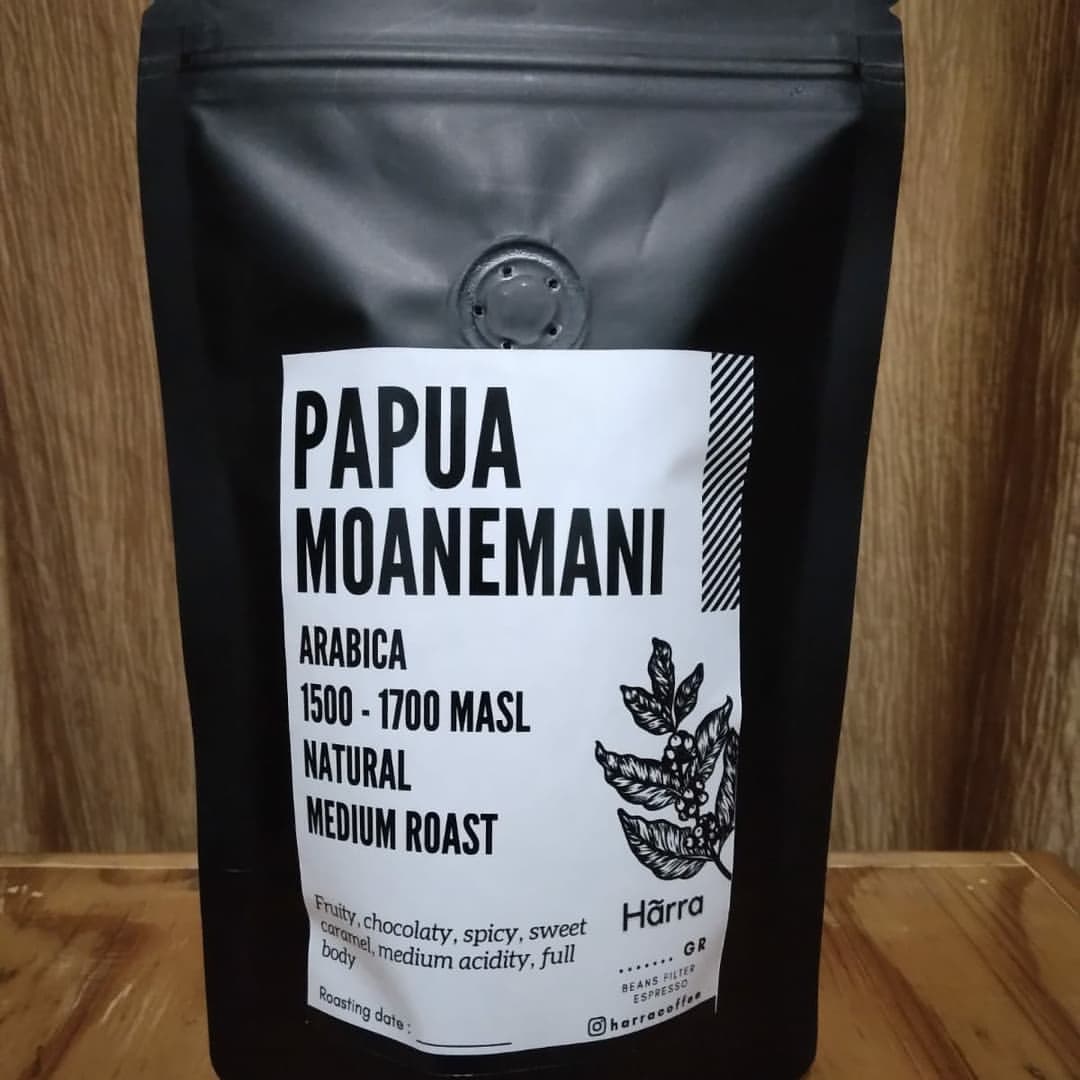
The Legendary Moanemani Coffee
The Dogiyai Regency in Central Papua Province enjoys a stellar reputation for producing the finest organic Arabica in Indonesia. Global traders and coffee experts recognize the yield from Dogiyai primarily under the name Moanemani coffee.
Traditional farmers from the indigenous Mee tribe organically grow Moanemani Arabica across the Mapia District. This premium variety commands immense popularity among discerning coffee enthusiasts throughout Europe and the United States. Mee farmers typically plant these crops in small plots near the dense rainforests, on steep hillsides, or within their own backyards.
Missionaries originally introduced these plants to the region during the vibrant decade of the 1960s. During that era, small cargo aircraft regularly dropped logistics into the remote interior and returned empty toward Nabire City.
The innovative missionaries and pilots sought a high-value commodity to fill the empty return flights while simultaneously improving the welfare of the inland tribes. This economic need triggered the widespread planting of high-altitude crops. Because Dogiyai sits comfortably between 1,000 and 2,000 meters above sea level, planners selected the delicate Arabica variety.
Historical records show that the original seeds planted in Dogiyai came directly from Papua New Guinea. Papua New Guinea, in turn, had imported its original seeds directly from Kingston, Jamaica. Therefore, this final West Papua Coffee variety shares an almost identical quality with the world-famous Jamaica Blue Mountain, the gold standard of premium Arabica.