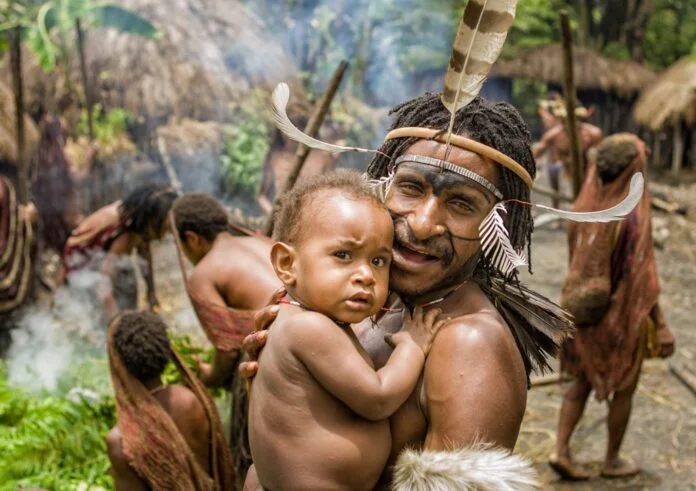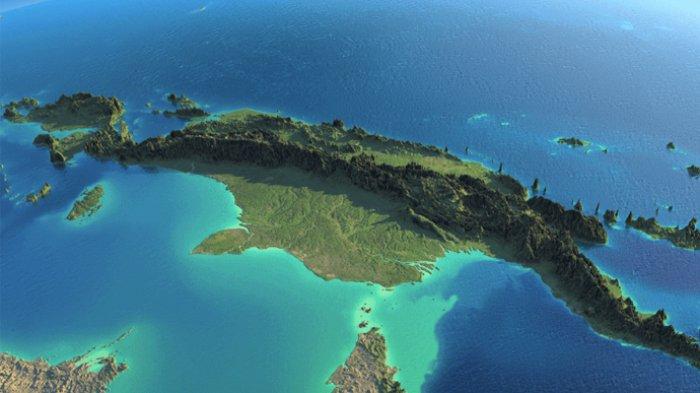
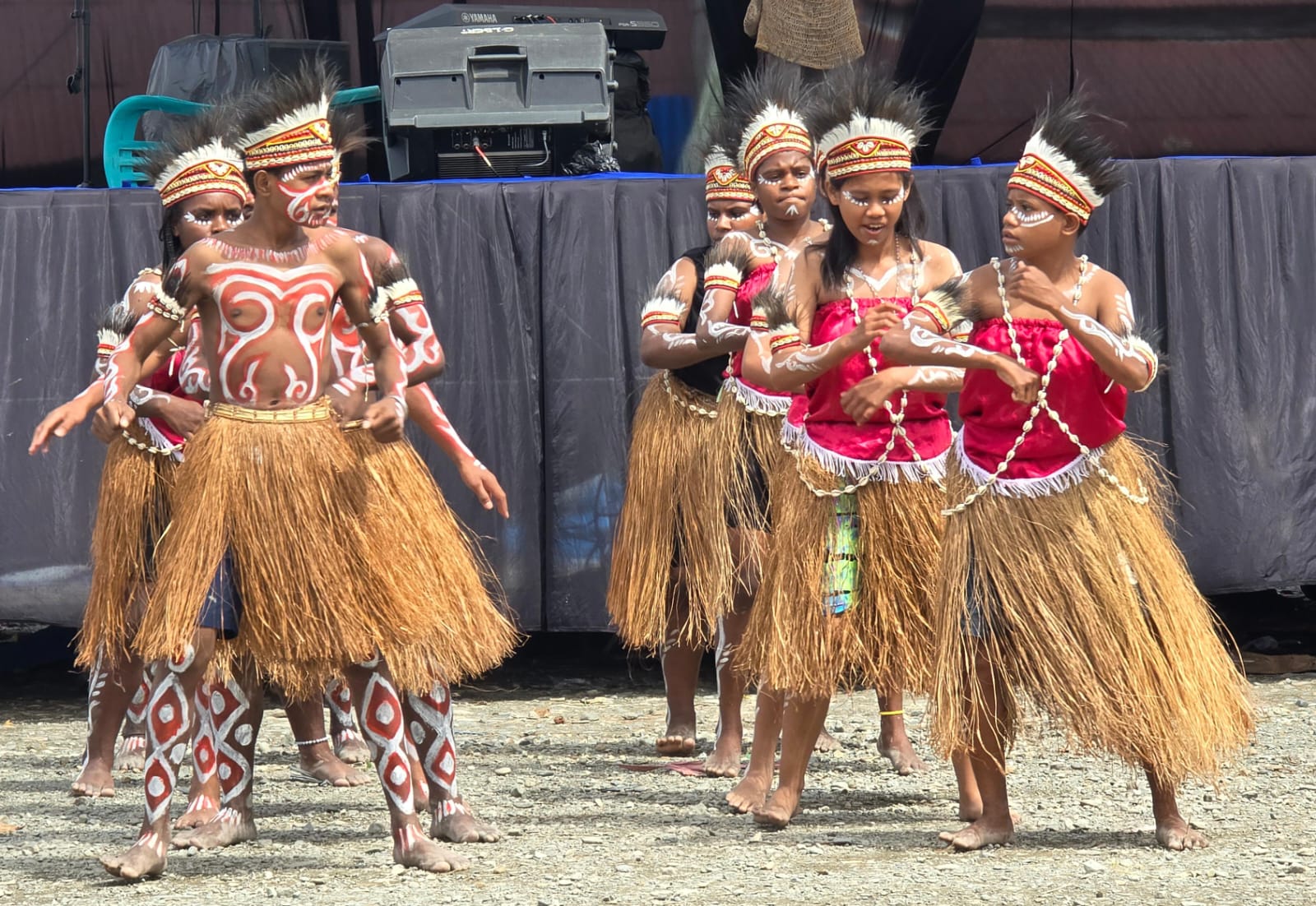
The Seka Dance originates from the coastal regions of Central Papua Province, serving as a significant traditional dance for the communities in Timika, Kaimana, and Fakfak. The people of these areas, particularly indigenous tribes like the Amungme in the mountains and the Kamoro on the coast, hold this cultural expression in high regard. The Kamoro tribe, who inhabit the coastal areas near Timika, especially treasure the Seka Dance as a core part of their heritage.
The Traditional Roots of the Seka Dance
Originally, communities performed the Seka Dance to express gratitude for abundant harvests. Dancers also performed it during traditional wedding processions, specifically when escorting the bride to the groom’s home. In the past, the Kamoro tribe used the dynamic movements of the Seka Dance to build fighting spirit before going to war. Today, tribes like the Napiti and Miere in Kaimana still integrate the dance into their daily activities. Over time, performers have adapted the Seka Dance into a social performance and often use it to welcome honored guests.
Core Movements of the Traditional Seka Dance
The choreography of the Seka Dance emphasizes powerful foot stomps, swaying hips, and waving hands, all moving to the vibrant rhythm of the tifa drum. The Kamoro tribe’s version of the traditional Seka Dance features eight main movements:
- Rocking a child
- Cutting down a sago tree
- Hoeing the sago
- Raising hands in gratitude
- Catching fish
- Beating the tifa drum
- Three sweeping steps
- Flapping like a bird’s wings
Symbolism in the Contemporary Seka Dance
In a contemporary evolution of the Seka Dance, choreographers have infused new layers of meaning by arranging dancers into formations that spell out letters. Each formation and its associated movement represents a specific concept, creating a rich narrative that reflects the life and values of the Papuan people.
Alphabetical Formations and Their Meanings:
- H for ‘Hari’ (Day): Dancers form the letter “H” while performing the child-rocking movement. This symbolizes a new day and the beginning of a new human life, representing hope and readiness to face the future.
- U for ‘Ulang’ (Repeat): The “U” formation accompanies the motion of repeatedly striking a sago tree. This movement signifies the persistence, energy, and enthusiasm required to harvest sago, a staple food for Papuans. It reflects the community’s determined spirit in providing for themselves.
- T for ‘Tahun’ (Year): Dancers create a “T” formation, which represents the years and generations that have relied on the sago tree for sustenance. This highlights the community’s tenacity in preserving their cultural traditions and local wisdom surrounding sago.
- R for ‘Republik’: Forming the letter “R,” dancers raise their hands to the sky. This powerful gesture symbolizes their pride as citizens of the Republic of Indonesia and expresses gratitude to God for the fertile land they inhabit.
- I for ‘Indonesia’ (and Ikan/Fish): The “I” formation is paired with movements of catching or spearing fish (ikan). This symbolizes the people’s connection to nature for food and represents their role within the broader nation of Indonesia.
- K for ‘Kolaborasi’ (Collaboration): Dancers form a “K” while mimicking the act of playing the tifa drum. The tifa sound evokes joy and celebration for a successful harvest. This movement represents collaboration and communal gratitude for the blessings of nature. An essential element of the Seka Dance is this sense of community.
- P for ‘Pendidikan’ (Education): The “P” formation carries the meaning of education. It serves as a motivational symbol, encouraging all Papuans to pursue knowledge. The movement reinforces gratitude for life’s blessings and the lesson that nature itself is a great teacher that must be preserved.
- G for ‘Guru’ (Teacher): Finally, the dancers form a “G” while performing the wing-flapping movement of the Cenderawasih (bird-of-paradise). The letter represents a teacher, suggesting that learning can happen anywhere. The bird’s wings symbolize the freedom to think, act, and step forward to gain broader knowledge.
A Blend of Tradition and Modernity
This contemporary evolution of the Seka Dance brilliantly blends ancient tradition with modern expression. By embedding these symbols into the performance, the dance tells a compelling story of daily life, cultural resilience, and national pride. The Seka Dance remains a vibrant and meaningful art form that continues to communicate the heart of the Papuan people.