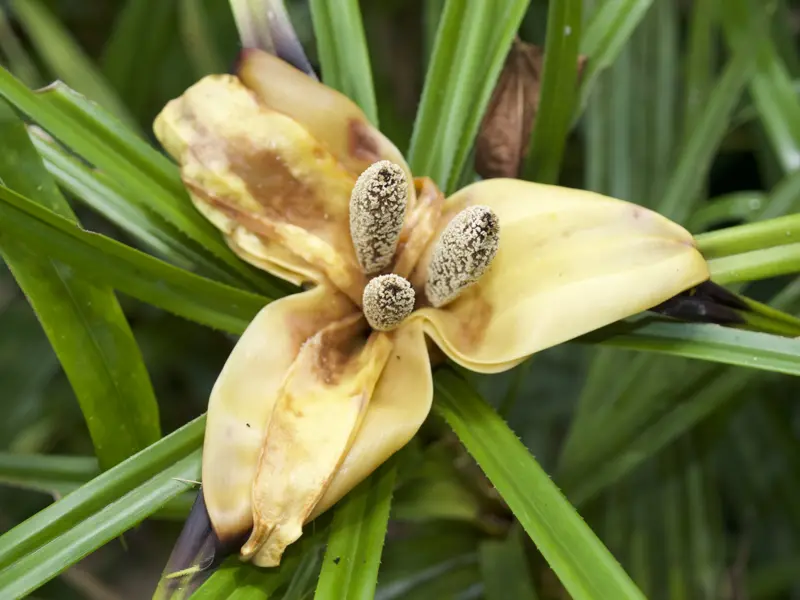
The breathtaking landscapes and diverse cultures of Papua Island have fascinated legendary scientists from Alfred Russel Wallace to Jared Diamond for centuries. As the largest tropical island on Earth and the second largest overall, this landmass hosts a staggering variety of life, earning its reputation as the island with the greatest biodiversity in the world.
A landmark study published in Nature by 99 global experts confirms this status. Their research reveals that the Indonesian portion of the island alone houses 13,634 plant species. This figure dwarfs the flora found in Madagascar—the runner-up for plant variety—by nearly 2,000 species.
Guardians of the Earth’s Greatest Biodiversity in the World
Krisma Lekitoo, a leading researcher at the Indonesian National Research and Innovation Agency (BRIN), emphasizes that West Papua serves as a critical botanical hub. The island sits atop 32 complex tectonic plates, each creating unique environmental niches that foster the greatest biodiversity in the world. From the icy heights of Jaya Wijaya at 4,884 meters to coastal mangrove forests, Papua offers a “natural laboratory” of evolution.
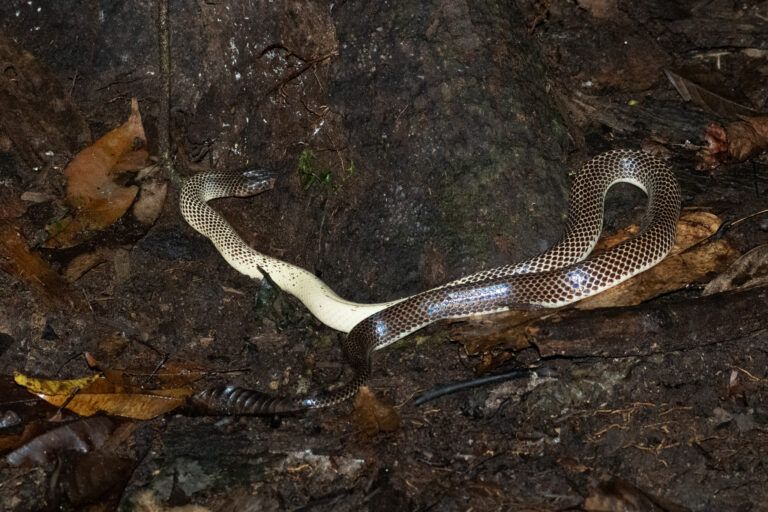
The island boasts an incredible endemism rate of 68%, meaning scientists find 1,030 species here that exist nowhere else on the planet. This high level of uniqueness defines the greatest biodiversity in the world, making every acre of forest scientifically priceless.
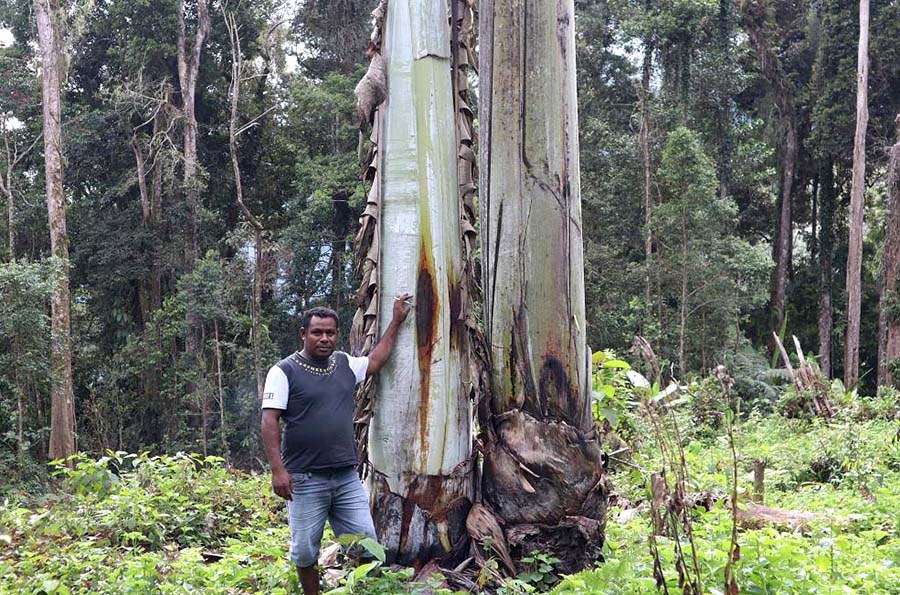
- Sago: A staple food for 50,000 years, sago represents a religious and knowledge system for local tribes.
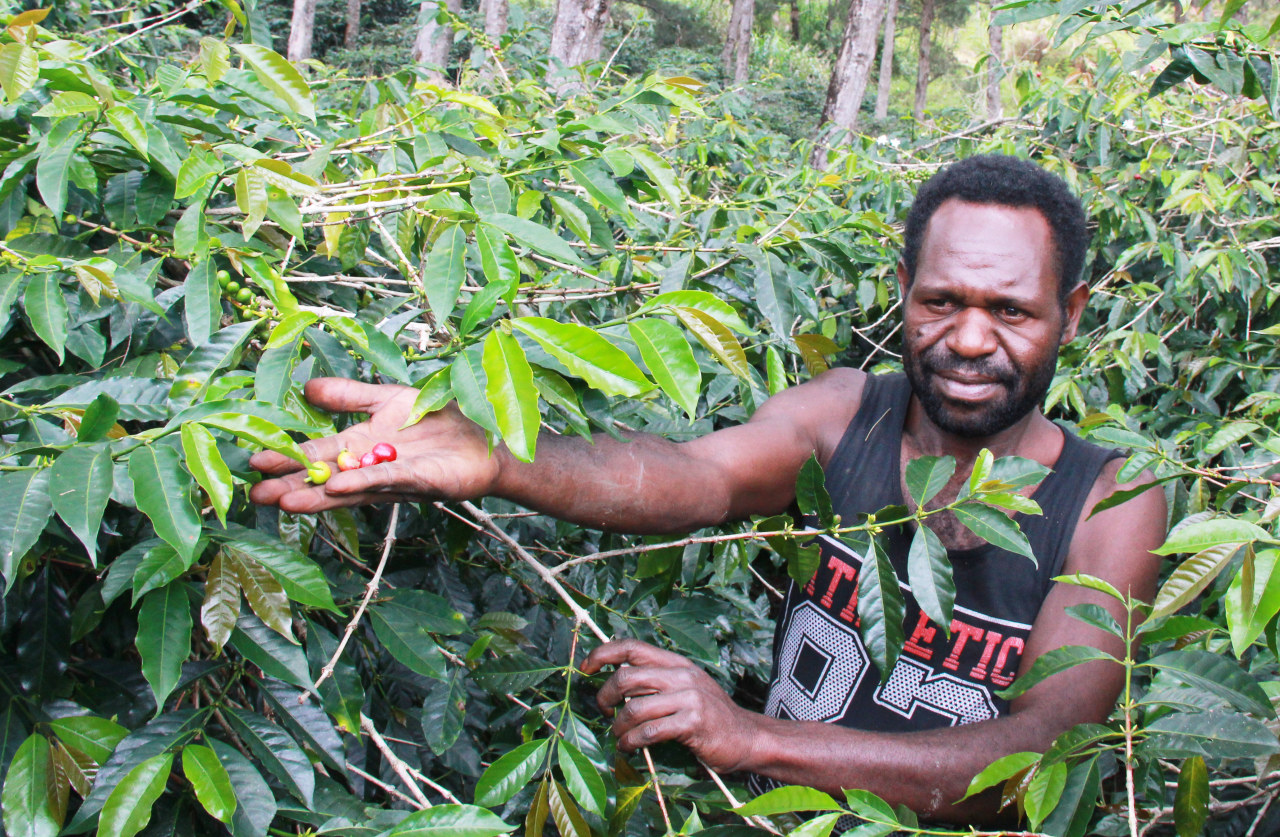
- Red Fruit (Pandanus conoideus): An antioxidant-rich endemic fruit.
- Areca unipa: A rare nut species discovered only in 2014.
- Bulpophyllum wiratnoi: A specialized orchid found in the Sorong rainforest as recently as 2018.
Traditional Wisdom and Modern Threats
BRIN has documented the ethnobotanical uses of plants across 276 Papuan tribes. Their records highlight 255 food types, 115 ritual plants, and dozens of traditional medicines for ailments like malaria and diarrhea. However, this repository of the greatest biodiversity in the world faces a grim reality. The IUCN currently lists at least 470 plant species as threatened, while the Manilkara napali has already vanished.
Deforestation remains the primary culprit. Although the rate has slowed, Papua lost an average of 34,918 hectares of forest annually between 2011 and 2019—an area half the size of Jakarta every single year. Large-scale plantations and massive road projects, like the proposed 6,300 km network, threaten to fragment these delicate habitats.
Saving the Botanical Frontier
Professor Agustinus Murdjoko from the University of Papua warns that our current conservation efforts remain insufficient. While botanical gardens and arboretums exist, they house only a fraction of the species requiring protection. High expedition costs and a shortage of expert taxonomists further hinder the preservation of the greatest biodiversity in the world.
Scientists believe that saving this botanical frontier requires urgent collaboration between BRIN, academic institutions, and international stakeholders. Protecting Papua is not just about saving trees; it is about preserving a 50,000-year-old biological legacy that the world cannot afford to lose.