Biak Numfor Regency, an expansive island region in West Papua, covers over 15,000 square kilometers of territory. While the land spans 2,602 square kilometers, the vast sea territory dominates the landscape, offering immense Papua’s maritime resources across the Padaido, Aimando, and Numfor Islands. Because these islands sit directly on the edge of the Pacific Ocean, they serve as a strategic gateway for Indonesia’s blue economy.
The Padaido Islands contain small, traditional clusters divided into Upper and Lower regions, while the Numfor Islands comprise five districts housing 39 villages. These areas boast significant fisheries potential, specifically high-value commodities like crabs, shrimp, and yellowfin tuna. Scientists have identified approximately 200 marine species from 58 different families living within these vibrant waters.
Sustainable Management of Papua’s Maritime Resources
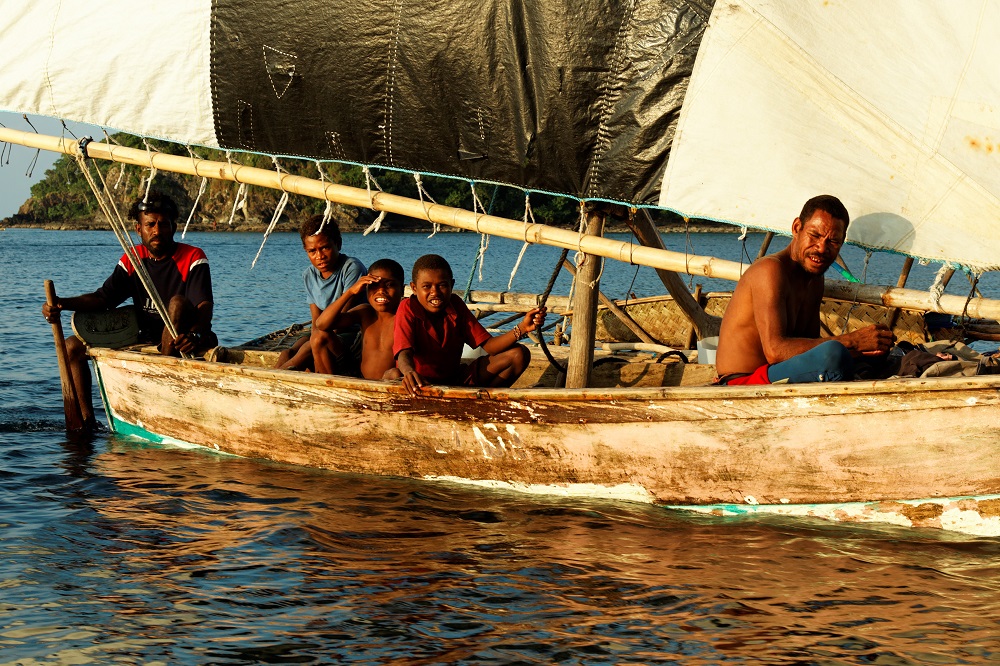
Beyond the diverse flora, the waters surrounding Biak and the Numfor Islands provide a sanctuary for various fauna, including 26 bird species and numerous reptiles. Local communities traditionally utilize the abundant coconut trees to produce oil, yet the true economic engine remains the sea. Traditional fishermen harvest Papua’s maritime resources daily to sustain their livelihoods and support local markets.
To protect this biodiversity, the government designated the Biak marine islands as a Marine Tourism Park. This conservation status ensures that Papua’s maritime resources remain protected from environmental degradation. These protected zones act as vital breeding grounds for fish and safeguard essential coral reefs and mangroves.
The Global Impact of the Blue Economy
The Ministry of Maritime Affairs and Fisheries identifies the Padaido Islands as one of the most valuable water conservation areas in Indonesia, with an estimated economic value of IDR 68.9 trillion. Biak Regent Herry Ario Naap confirms that yellowfin tuna production alone can reach 1.1 million tons annually. This massive output from Papua’s maritime resources generates significant non-tax state revenue and strengthens Indonesia’s maritime sovereignty in the Pacific region.
Investors have already recognized this potential. By 2023, two major tuna investors began exporting fresh tuna directly to Japan via Frans Kaisiepo International Airport. These operations have exported roughly 150 tons of fresh tuna, creating new job opportunities for young Indigenous Papuans (OAP) in the process.
Empowering Indigenous Communities through Modern Fisheries
The provincial government is currently shifting its focus from mining to the sustainable management of Papua’s maritime resources. Through the “Productive Papua” policy, the administration aims to involve local residents directly in the marine supply chain. This initiative ensures that the wealth generated from the sea directly improves the welfare of Papuan families.
In 2023, the Ministry of Maritime Affairs and Fisheries established the Samber-Binyeri Modern Fisherman’s Village (Kalamo) in Biak Numfor. This modern facility provides fishermen with essential infrastructure, including specialized gas stations and processing tools. Most importantly, the Kalamo system grants full management trust to the local community, turning the region’s natural wealth into a sustainable source of independent income.