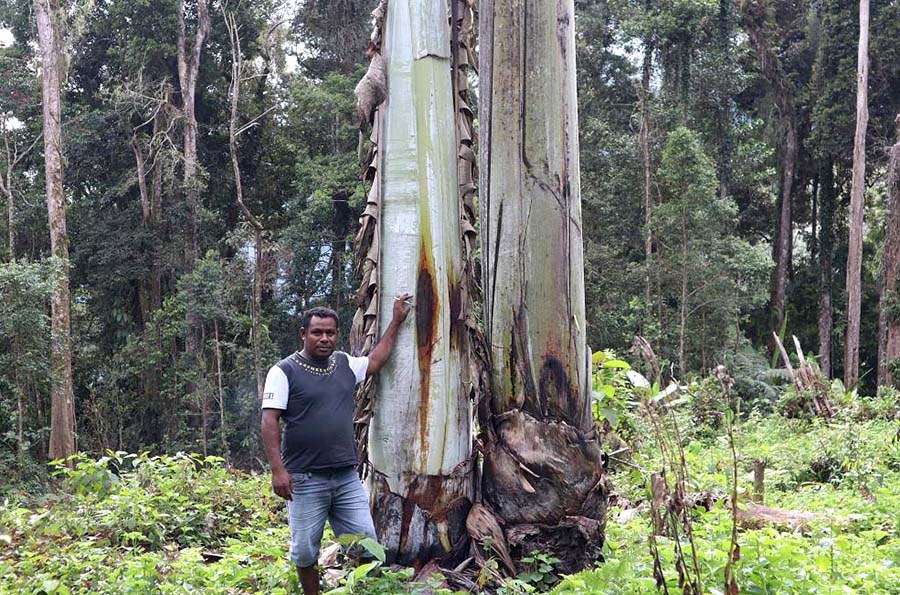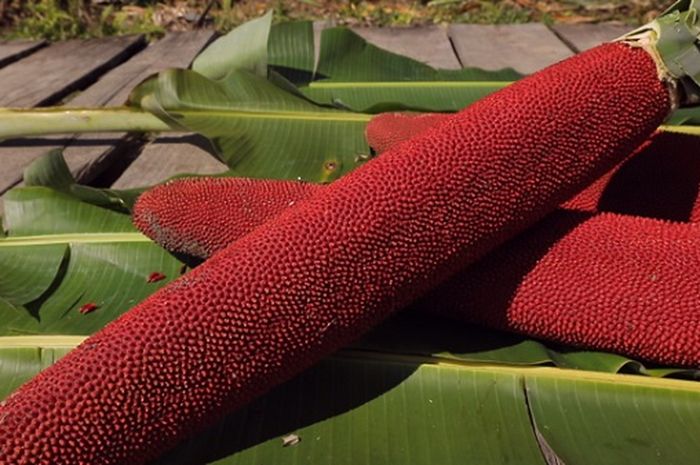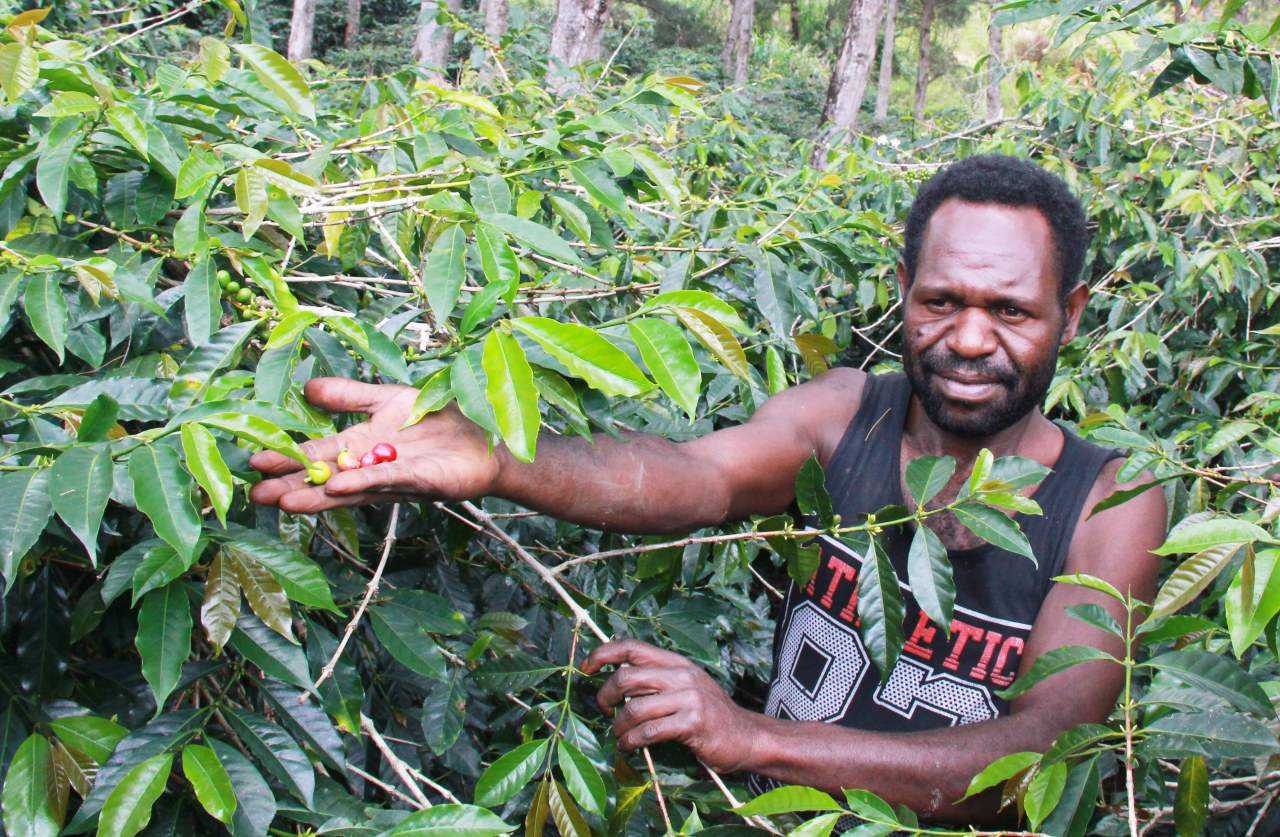
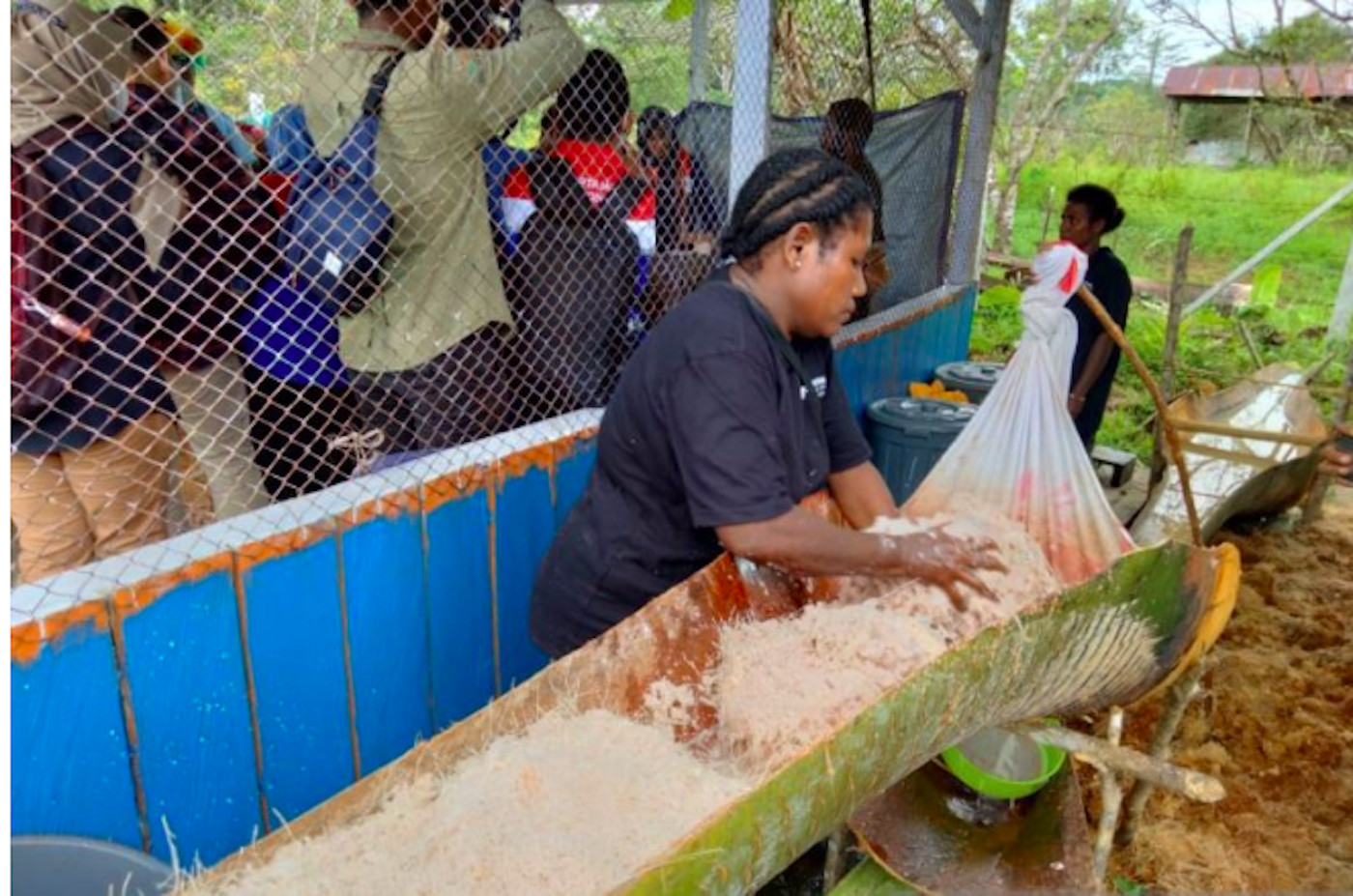
Indonesians have relied on sago as a primary food source for centuries, alongside bananas and tubers. While communities in Riau, South Sumatra, Sulawesi, and Maluku still process this starch, West Papua sago remains the most iconic staple maintained to this day. For the Papuan people, sago represents more than just a meal; it acts as a cultural anchor, defining identity, territorial boundaries, and sacred tribal rituals in the lowlands.
Prehistoric Roots of the Staple Crop
Archaeological evidence suggests a deep history for this food source. Hari Suroto, a researcher at the BRIN Environmental Archaeology Research Center, estimates that Papuans began consuming sago roughly 50,000 years ago. These early settlers survived by hunting and gathering, utilizing wild plants found along riverbanks and swamps.
Researchers have uncovered various artifacts that prove the long-standing importance of West Papua sago. These include pottery and stone tools specifically designed for processing the starch. Coastal archaeological sites frequently yield pottery fragments, though these items appear less often in the mountainous regions.
Traditional Tools for Processing West Papua Sago
Prehistoric residential sites contain various types of ceramic containers, such as jars, pots, and fornas. Jars functioned as storage for water and starch, while thinner pots allowed locals to boil water quickly for making papeda.
The discovery of forna artifacts at the Mosandurei site reveals more diverse cooking methods. People used these rectangular and semi-circular clay molds to roast sago into plates or cakes. Because the forest provided an abundant supply, West Papua sago naturally became the foundational diet for these ancient communities.
Spiritual Beliefs and Forest Management
For the indigenous people, sago provides a complex religious system and a wealth of local knowledge. They do not harvest trees haphazardly. Instead, they perform specific rituals, ranging from asking permission before felling a tree to clearing the surrounding brush. Whether they grill the starch or serve it as papeda, every step follows a tradition of respect.
Specific ethnic groups maintain strict rules for managing their groves:
- The Sentani: They follow ancestral messages to harvest only what they need, ensuring they do not damage young saplings.
- The Korowai: This group views sago multiplication as a metaphor for human generations, treating the plantations as a legacy for the future.
- The Marori: In Merauke, sago serves a vital role in birth and death rituals, symbolizing social responsibility.
The Future of the Sago Belt
Currently, Indonesia holds 85% of the world’s sago-growing area, with the vast majority located in Papua. The most extensive forests of West Papua sago thrive along the southern coast in regions like Merauke, Asmat, and Timika. In the north, areas like Jayapura and Nabire also contribute significantly to this massive natural resource. For the Mahuze clan, sago even serves as a “totem”—a symbol of brotherhood that protects the plant from indiscriminate trade.