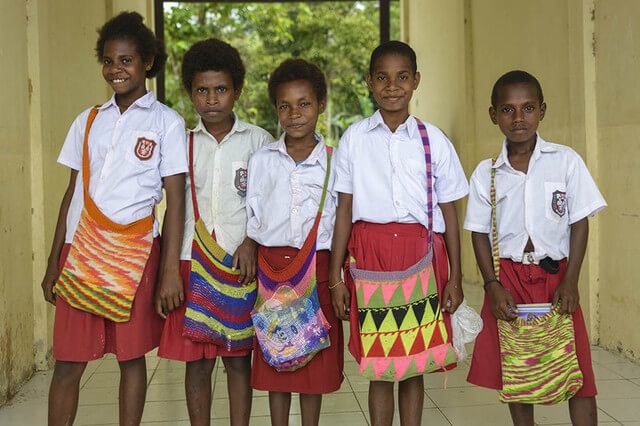
The Indonesian Constitution explicitly protects the existence of first languages used by citizens within specific regions. While the state respects regional speech as a national cultural asset, educational institutions have historically integrated Papua language into formal curricula only on a limited basis. To bridge this gap, the 2022 Merdeka-based Education Curriculum Policy provides a fresh framework for schools to adopt mother tongues as essential local content.
Empowering the Papua Language Through Formal Education
The Merdeka Belajar initiative empowers educational units to insert indigenous linguistic material directly into classroom learning. The Papua State Traditional School currently leads this transition by establishing assessment mechanisms that ensure the continuous use of regional dialects. Furthermore, the Indonesian Ministry of Education, Culture, Research and Technology institutionalized this support in September 2023. Officials launched a specialized local curriculum for elementary, junior, and senior high schools across the Tabi traditional area, which spans Jayapura City, Keerom, Sarmi, and Mamberamo Raya.
Taufiq Damarjati, an expert from the Curriculum and Learning Center, confirms that these local government steps align perfectly with national visions. By integrating the Papua language into local subjects, the government guarantees the preservation of regional treasures. These programs treat the mother tongue as a vital legacy for future generations, ensuring its survival against the pressures of modernization.
Protecting Linguistic Diversity Against Extinction
Across Indonesia, native speakers of regional dialects are rapidly disappearing, a trend that deeply concerns cultural communities. Many young people in the Millennial and Gen Z cohorts prefer Indonesian as a unifying tongue, often neglecting their ancestral speech. Origenes Monim, Director of the Papuan State Traditional School, notes that many youths in Sentani no longer speak their native tongue fluently, marking a significant decline in cultural knowledge.
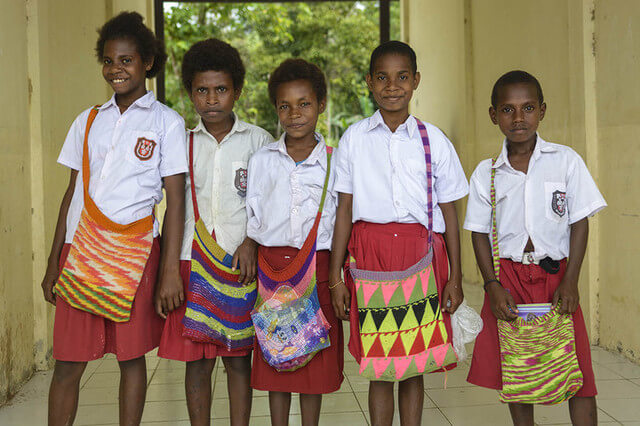
To combat this, schools like Inpres Abeale I Elementary School have successfully implemented the Papua language as a core local subject. This year, the school issued diplomas to 74 students that specifically included credits for Sentani language proficiency. Additionally, the Papua State Traditional School has already trained 190 teachers in technical modules to implement these learning plans effectively across various districts.
The government plans to expand these efforts to eight other traditional areas, including Demutru, Yokari, and Moy. Each school in these regions must now include the Papua language in its local curriculum to ensure sustainability. This local mandate responds to alarming data from UNESCO, which lists 139 Indonesian languages as threatened and 15 already extinct.
Acting Regent of Jayapura, Triwarno Purnomo, fully supports these measures within the Sentani region. Because the Constitution grants people the freedom to develop their own culture, the Independent Curriculum serves as a primary tool for survival. By securing the Papua language in the classroom, the state ensures that the indigenous identity of Papua remains vibrant and enduring for years to come.