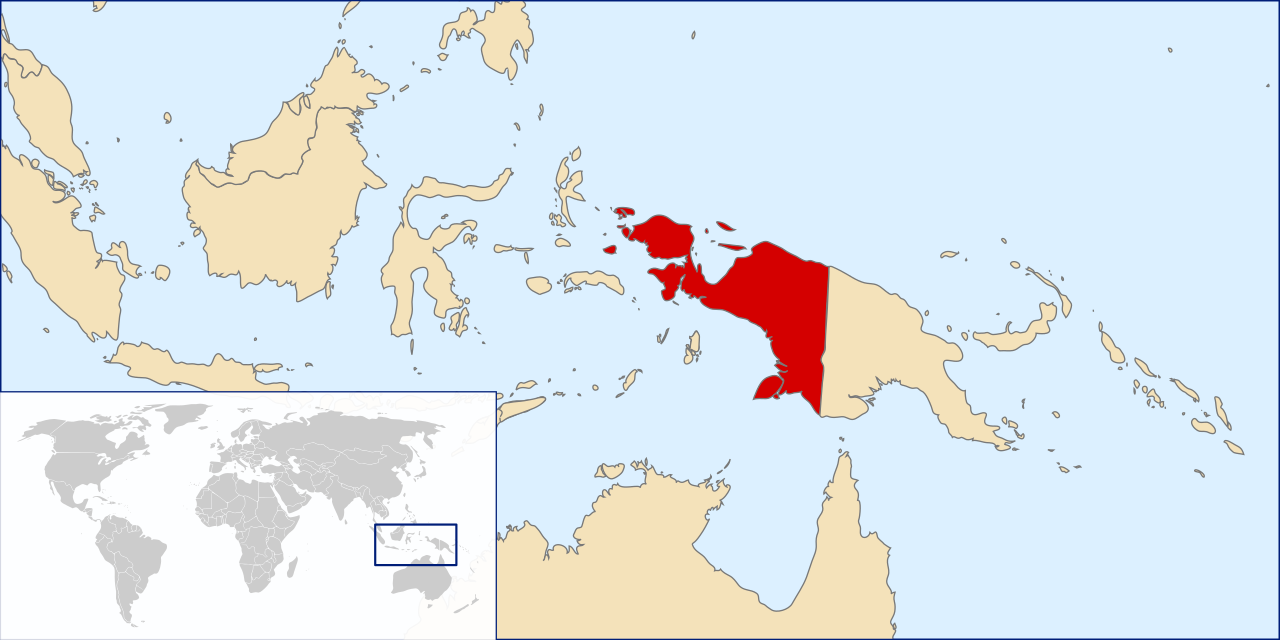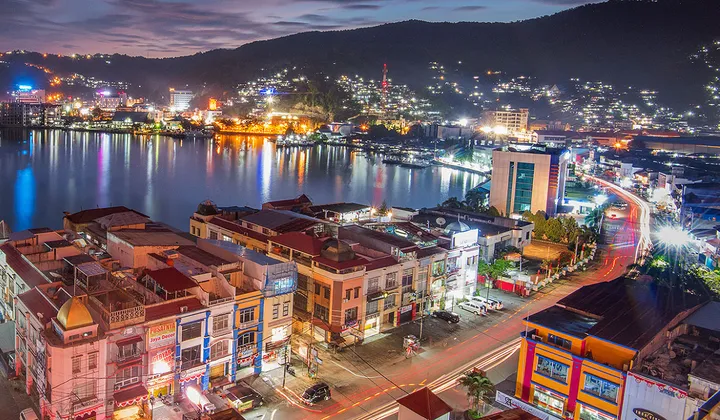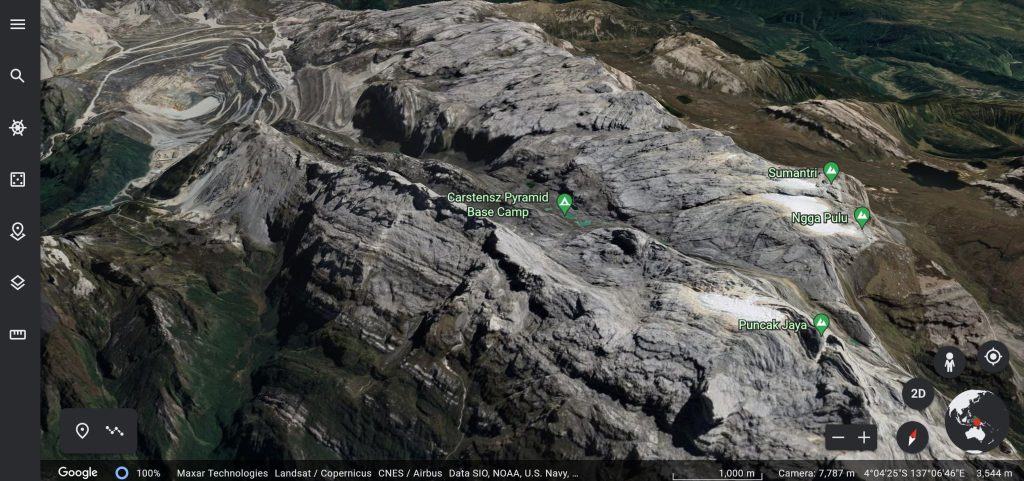
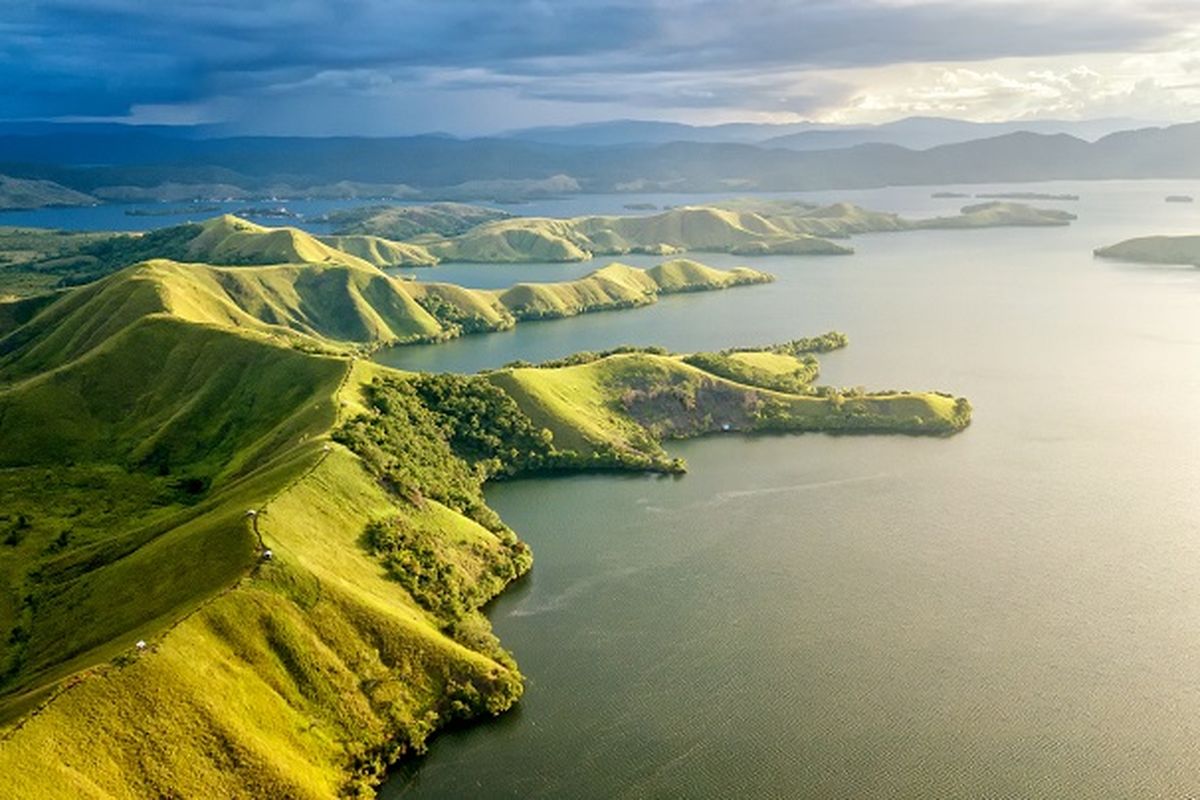
The scorching sun beat down on the researchers from the Indonesian Papua Archaeological Center as they embarked on a grueling trek. Accompanied by local guides from Ayapo Village, the team climbed steep hills and navigated through dense savanna reed fields to reach the ancient cave sites surrounding Lake Sentani. This region serves as a primary window into the pre-historic in Indonesia, offering physical evidence of how early civilizations thrived in the Papuan archipelago.
Archeological Discoveries in the Sentani Caves
Archaeologists successfully located four distinct caves, ranging from small limestone crevices to expansive caverns. The team leader, Hari Suroto, meticulously examined the cave walls before excavating the ground level to uncover hidden artifacts. During the dig, the team unearthed small pottery shards and numerous animal bone fragments that hint at ancient domestic activities.
Anis Hikinda, a local resident, shared oral traditions claiming that these caves once housed ancestors who turned to stone after violating sacred customs. Beyond these legends, the caves provided sanctuary for indigenous people much later during the Pacific War, proving that these pre-historic in Indonesia sites maintained their importance throughout various eras.
The Ancient Settlements of Yomokho and Asei
The research expanded to Asei Besar Village and the renowned Yomokho site, where the Ohee tribe originally resided before migrating to Asei Island. Kori Ohee, a local community leader and tourism official, recalled finding seven stone axes while clearing land, alongside an abundance of pottery fragments.
The Yomokho site, situated near the Kalkhote Pier, remains one of the most significant locations for studying the pre-historic in Indonesia. Laboratory analysis of artifacts found here—including mollusks, charcoal, and human bone fragments—confirms that human life flourished in this area as far back as 2,950 years ago.
Natural Evolution and Early Human Survival
Geological data suggests that Lake Sentani was once a marine bay that tectonic shifts eventually isolated from the sea. According to the Ecology of Papua (2012), mud core samples indicate the lake is approximately 70,000 years old, creating a stable environment for early settlers. Because the land provided abundant freshwater and sago forests, ancient humans viewed this area as an ideal habitat.
The excavation of sago-tapping stone tools proves that the pre-historic in Indonesia inhabitants relied heavily on sago as a primary food source. Furthermore, the presence of earthenware jars suggests that these early societies had already developed the culinary skills necessary to boil water and prepare papeda, a traditional starch dish that remains a staple today.
Migration Patterns and Ancestral Origins
Folklore serves as a vital compass for archaeologists tracing the migration of early Papuan settlers. Evidence from the Marweri Urang site on Kwadeware Island shows that ancient pottery shares striking similarities with artifacts found in Vanimo, Papua New Guinea. Hari Suroto notes that the presence of marine mollusk shells deep inland suggests that the ancestors of the Sentani people migrated from eastern coastal regions.
The pre-historic in Indonesia timeline in Papua is deeply intertwined with the “Heram Confederation,” a group that traveled through the wilderness as hunters and gatherers. They eventually established permanent settlements on the hills of Hebeaibhulu and Yomokho, forming the complex tribal structures we see today.
Traditional Resource Management
The Sentani people developed a sophisticated social structure to protect their environment long before modern conservation laws existed. As documented in the Papua Anthropology Journal (2003), specific officials known as phume-ameyo monitored natural resources. This traditional government included:
- Fi-yo: Officials who regulated sago harvesting.
- Buyo-kayo: Specialized monitors for fishing activities.
- Aniyo-erayo: Guardians of the forest products.
- Yayo: Officers who supervised the hunting of wild animals.
These roles ensured that the relationship between humans and nature remained sustainable for generations. While modern administrative systems have altered these customs since the 20th century, the archaeological record continues to honor the enduring legacy of the pre-historic in Indonesia.
See also: 7 Most Beautiful Tourist Destinations in West Papua