West Papua, Indonesia, a land rich in natural beauty and cultural heritage, has undergone a remarkable evolution over the past ten years. From 2013 to 2024, the Indonesian government and local communities actively collaborated to drive a significant West Papua transformation, overcoming geographical, social, and economic challenges to bring about more inclusive progress. This article provides an overview of West Papua’s development journey, from its past to the present.
Transforming Connectivity: From Isolated Paths to Modern Highways
A decade ago, West Papua’s transportation infrastructure was a significant barrier to development. Roads in the interior, such as in the Bintang Mountains or Mamberamo, were often muddy tracks passable only by four-wheel drive vehicles. Connected roads existed mainly around major cities like Jayapura or Sorong. Air travel remained the only option for many, despite its high cost and infrequent schedules.
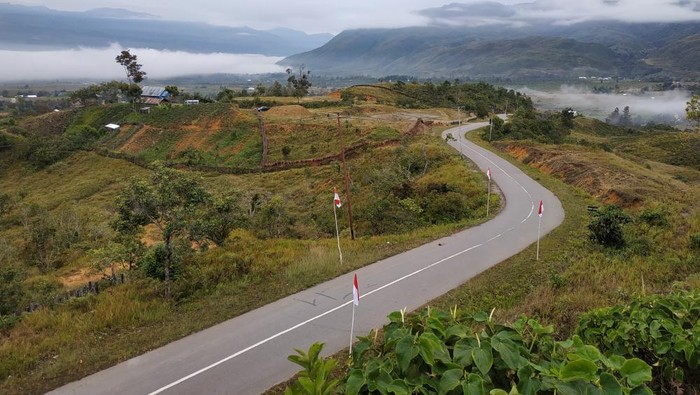
Today, the 4,330-km Trans-Papua Highway connects previously isolated regions. This project not only opens physical access but also symbolizes integration. Villages once reachable only by foot or helicopter are now connected to the outside world. Sentani and Sorong airports have undergone modern renovations, while the Depapre Port in Jayapura strengthens maritime connectivity. While not yet perfect, this progress is a cornerstone of the ongoing West Papua transformation, laying the foundation for more equitable economic growth.
Economic Metamorphosis: Diversifying Beyond Mining
In 2013, West Papua’s economy heavily relied on the mining sector, particularly Freeport Indonesia. While this sector contributed significantly to regional income, its benefits did not always directly reach the people. Local MSMEs faced limitations due to minimal market access and capital, while the poverty rate reached 27.8%—the highest in Indonesia.
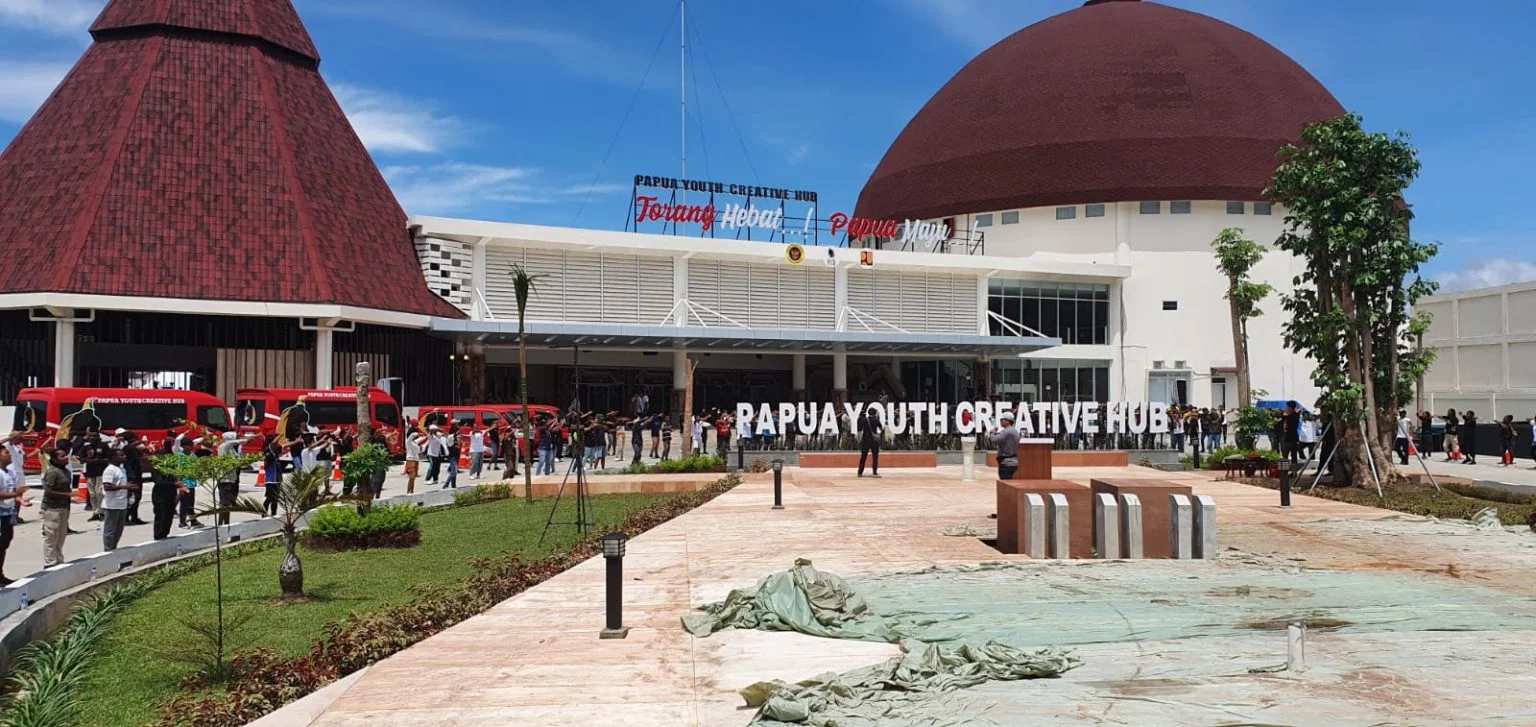
Currently, the government actively promotes economic diversification. The agricultural sector, featuring world-renowned West Papua coffee, and tourism in Raja Ampat and the Baliem Valley are gaining prominence. Programs like the Papua Muda Inspiratif (Inspiring Young Papuans) and the Special Autonomy (Otsus) fund provide opportunities for local entrepreneurs. This shift towards a more diverse economy is a critical component of the West Papua transformation, as communities gradually experience the positive impact of new market access and the introduction of financial technology (fintech) into the interior.
Driving Progress in Public Services
In the past, healthcare and education facilities were concentrated in cities. Remote areas like the Central Mountains or Asmat often suffered loss of life due to delayed medical treatment. Maternal and infant mortality rates were alarmingly high. In the education sector, many children were forced to drop out of school due to long distances and a shortage of teachers.
Ten years later, the construction of regional hospitals and mobile health clinics addresses community needs. The West Papua Healthcare Worker program and drone-based medicine distribution are innovative breakthroughs. In education, the development of boarding schools and student dormitories allows children from remote areas to access quality education. E-learning technologies are also being implemented, although internet connectivity remains a challenge.
A New Chapter for Special Autonomy
Papua’s Special Autonomy (Otsus), initiated in 2001, initially faced criticism. Otsus funds were often considered non-transparent, and development was perceived as top-down, lacking the involvement of indigenous communities. Human rights issues and armed conflict also cast a shadow.
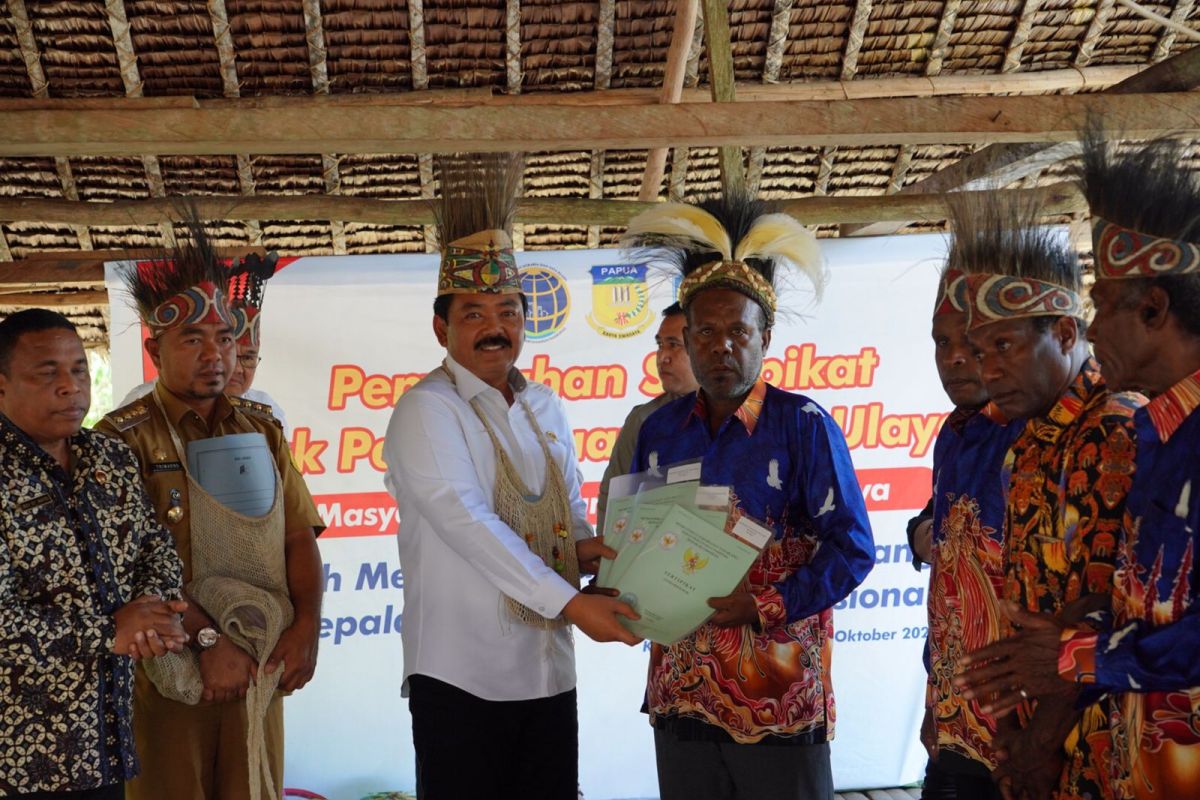
Now, with Otsus extended until 2041, there is a renewed focus on human resource development and indigenous community participation, signaling a new phase in the West Papua transformation. Affirmative action programs like the Putra-Putri Papua Berprestasi (Outstanding Papuan Sons and Daughters) provide opportunities for West Papuan youth to pursue higher education. The government is also involving local tribes in development planning discussions, while efforts for dialogue with separatist groups continue.
A Shift Towards Sustainable Development
Large-scale infrastructure development in the past often overlooked environmental impacts. Deforestation and conversion of customary forests were rampant, particularly for mining projects. Today, awareness of sustainable development is growing. The Trans-Papua Highway is designed to minimize ecosystem damage, and indigenous communities are involved in forest management through customary forest schemes.
The Digital Leap Forward
In 2013, internet access in West Papua was a luxury, making it nearly impossible for remote communities to connect with the outside world. The Palapa Ring project changed everything. Internet networks now reach remote areas, enabling the development of telemedicine, e-learning, and e-commerce. While not yet universal, digitalization offers new hope for bridging the information gap.
The Ongoing Journey of West Papua Transformation
In ten years, the West Papua transformation has moved the region from isolation towards integration. The infrastructure built is not just about concrete and asphalt but about a tangible hope for equality. However, the road to prosperity is still long. The success of future development depends on the collaboration of all parties: the government, indigenous communities, and the private sector. With principles of justice, sustainability, and respect for local wisdom, West Papua will not only be a part of Indonesia but also an example of how inclusive development can be realized.